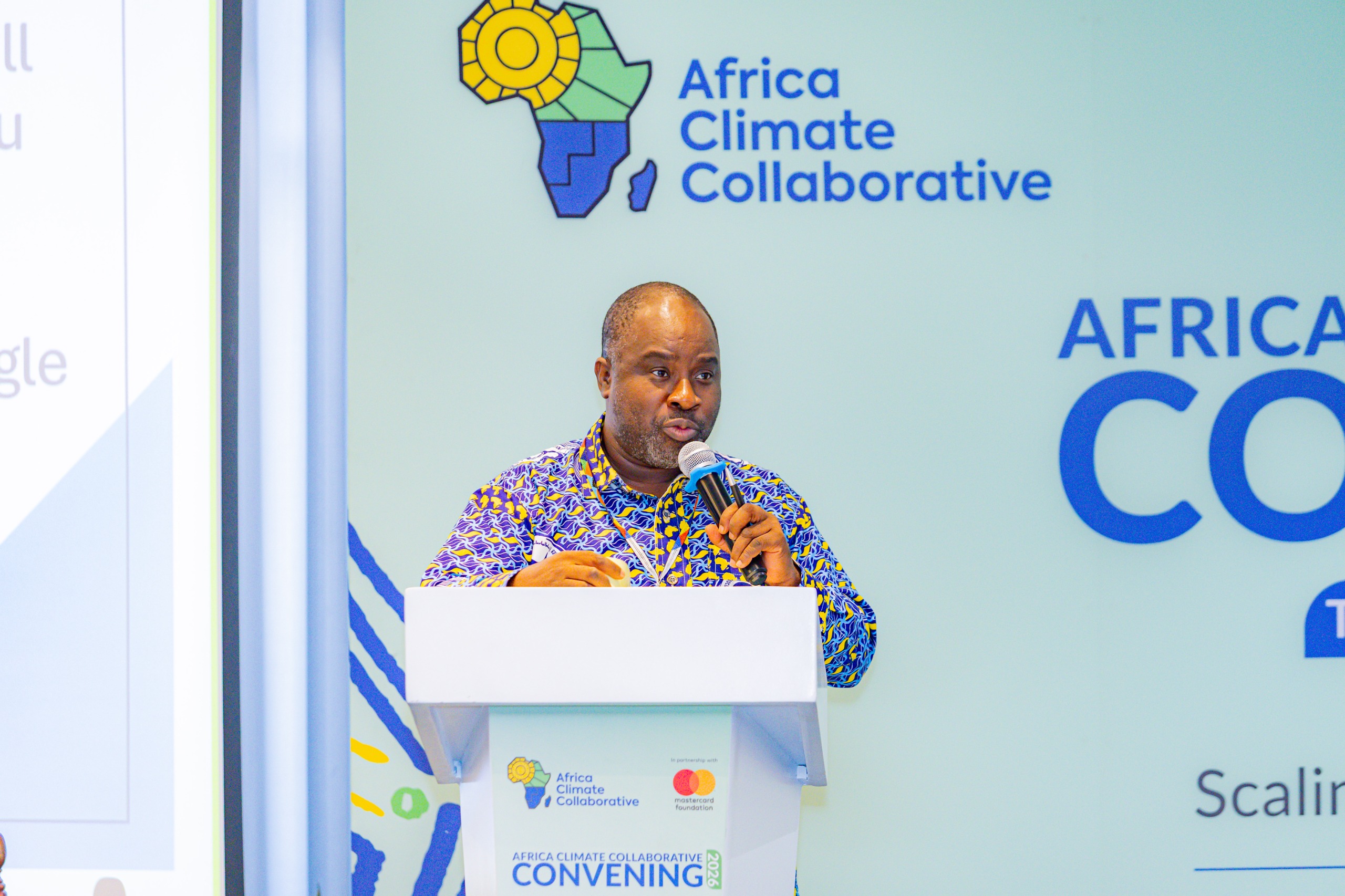
The Africa Climate Collaborative Convening, held in Nairobi, Kenya, from 21–24 April 2026, opened with a powerful and reflective morning session that did more than introduce the agenda; it redefined the scale and urgency of Africa’s climate challenge.
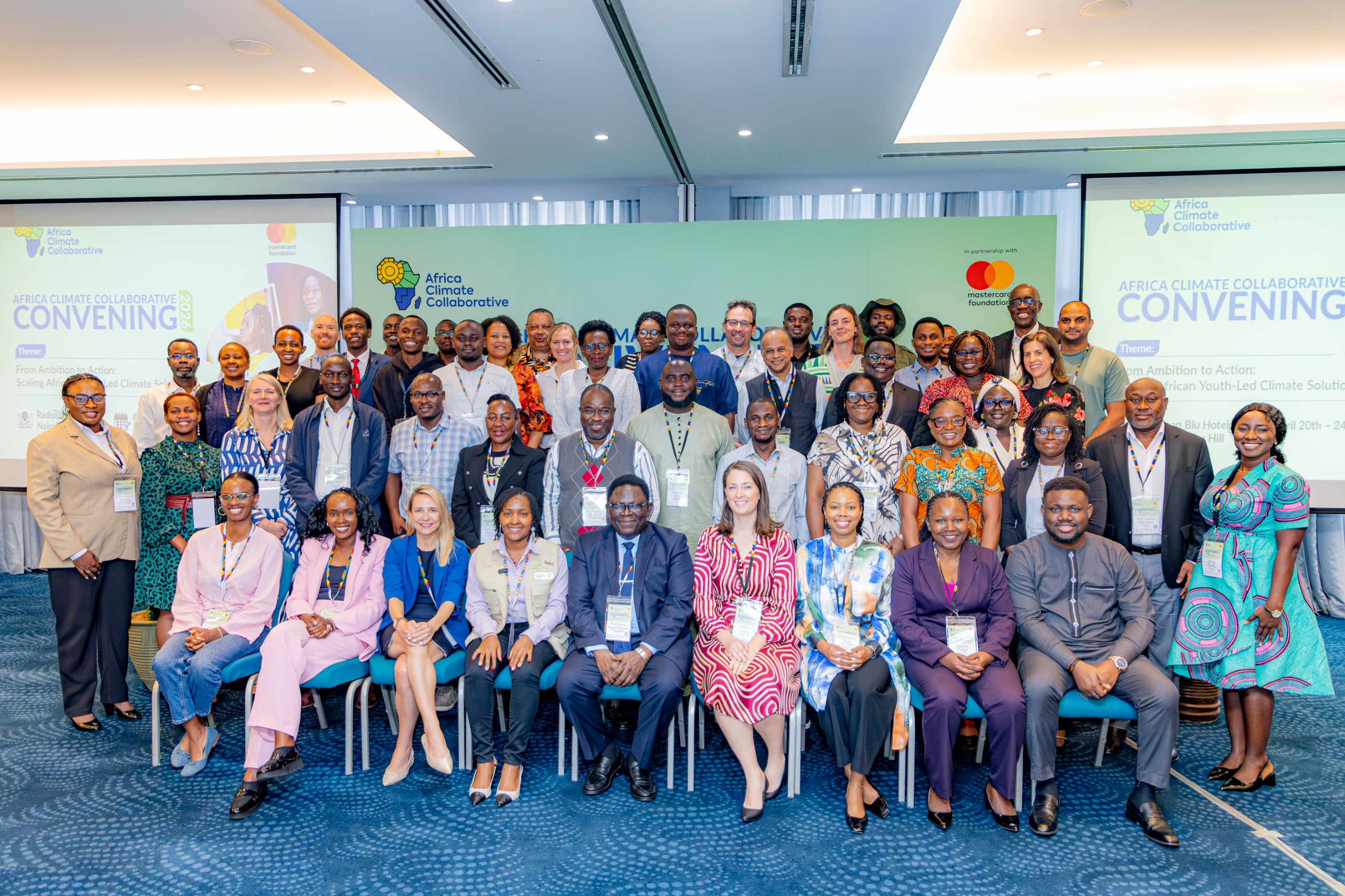
Bringing together academic leaders, practitioners, and development partners, the session positioned higher education institutions at the centre of climate action. It was not just a conversation about environmental sustainability, but a broader call to rethink development, systems, and leadership across the continent.
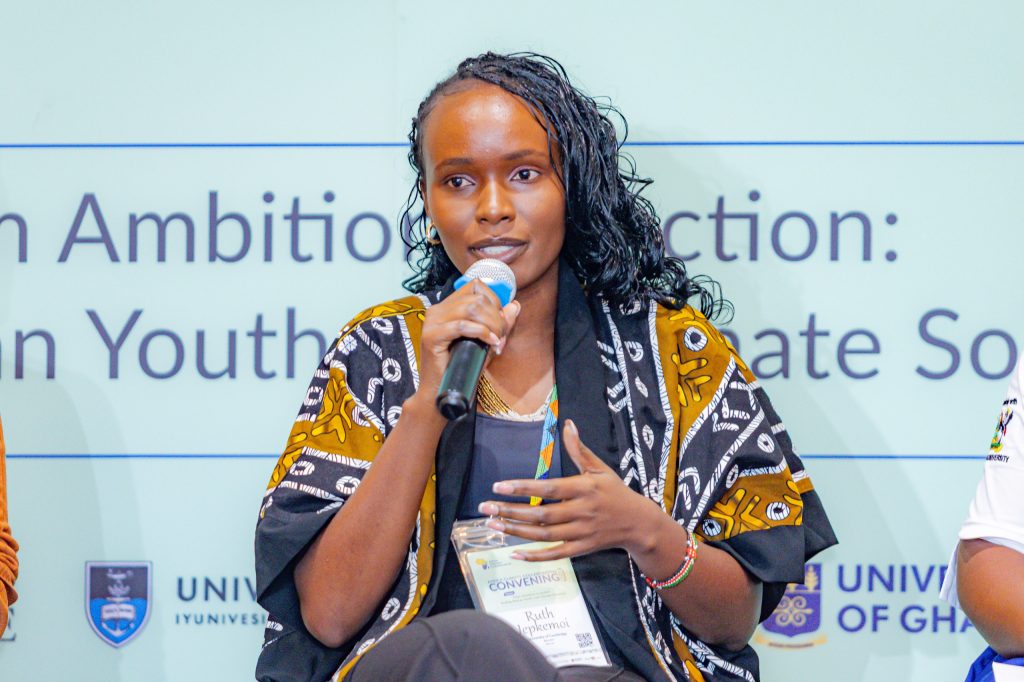
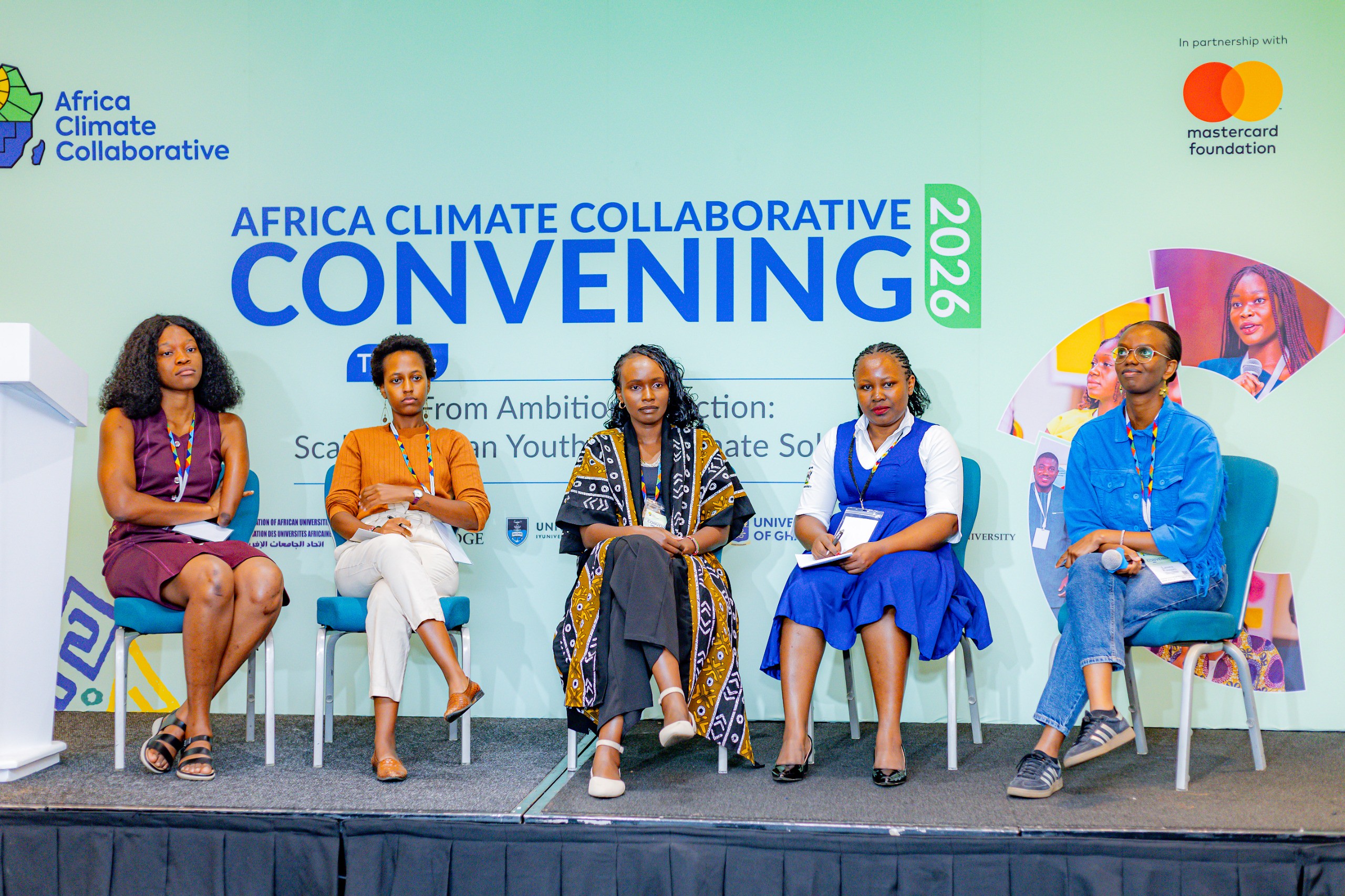
Moderated by Prof. Frederick Ato Armah, Director of Research and Programmes, AAU, the session featured leading voices from academia, philanthropy, and the innovation ecosystem, all contributing to a shared narrative: Africa’s climate future will depend not only on ambition, but on coordinated, system-level action.
Climate Change as a Systems Challenge
One of the most defining insights from the session was the framing of climate change as more than an environmental issue. Across presentations, it became clear that climate change in Africa is fundamentally a systems challenge, deeply intertwined with livelihoods, education outcomes, economic growth, and social stability.
This perspective shifts the conversation from isolated interventions to holistic solutions. Climate resilience is no longer a sector-specific concern; it is central to employment, food systems, health outcomes, and even political stability. As such, addressing climate change requires integrated responses that cut across sectors and institutions.
A Continent at Risk and at Opportunity
The urgency of this challenge is heightened by Africa’s unique position. While contributing only a small fraction of global emissions, the continent bears a disproportionate share of climate impacts, including displacement, food insecurity, and economic losses.
At the same time, Africa is the youngest continent in the world. This demographic reality presents both an opportunity and a risk. If harnessed effectively, youth can drive innovation and transformation. If not, climate pressures could exacerbate unemployment and instability, turning a potential demographic dividend into a liability.
This dual reality framed much of the discussion: Africa stands at a critical intersection where climate action must align with economic and social development.
Youth as Drivers, Not Beneficiaries
A central theme throughout the session was the role of youth not as passive recipients of climate interventions, but as active drivers of change.
Young people across the continent are already leading climate solutions as innovators, entrepreneurs, and community mobilisers. However, their potential remains constrained by systemic barriers, including limited access to finance, decision-making platforms, and institutional support.
The discussion highlighted a critical gap: while youth are often included in projects, they are rarely positioned within governance structures where decisions are made. This disconnect limits their ability to influence long-term outcomes and reinforces the need for more intentional inclusion at leadership levels.
The Untapped Power of African Universities
Another major focus of the session was the role of universities in shaping Africa’s climate response. Speakers emphasised that higher education institutions are uniquely positioned as talent pipelines, knowledge hubs, and conveners.
However, this potential is not yet fully realised.
Many universities continue to operate within siloed programmes, limiting their ability to drive large-scale impact. The session called for a shift from fragmented initiatives to ecosystem leadership, where universities actively connect research, policy, innovation, and industry.
This transformation would enable universities to move beyond traditional teaching and research roles, becoming central actors in climate innovation and development.
Innovation Without Scale: The Financing Gap
Despite the growing number of youth-led climate innovations, there is a persistent challenge: the lack of scale.
At the heart of this issue is a structural financing gap, often described as the “valley of death,” where early-stage and growth-stage ventures struggle to access the capital needed to expand.
The problem is not simply the quantity of finance, but its quality. Many climate ventures require patient, flexible capital that aligns with their growth trajectories, yet such financing remains scarce. Without appropriate financial instruments and lead investors willing to absorb early risk, promising innovations remain small and localised.
Bridging Research, Policy, and Market Impact
Another critical gap highlighted during the session is the weak translation of research and innovation into policy and market uptake.
Africa produces valuable knowledge and innovation, yet these often fail to reach the scale required for meaningful impact. This disconnect limits the effectiveness of both academic research and entrepreneurial solutions.
Strengthening the link between universities, governments, and the private sector is therefore essential. By aligning research with policy priorities and market needs, institutions can ensure that knowledge is not only generated but applied.
Inclusion as a Structural Imperative
The session also emphasised the importance of inclusion in climate action.
Women, particularly young women, face heightened vulnerability to climate impacts while also encountering structural barriers to finance, leadership, and visibility. Similarly, rural communities, smallholder farmers, persons with disabilities, and displaced populations remain disproportionately excluded from climate programmes.
Addressing these disparities requires more than targeted projects. It calls for intentional, system-wide inclusion strategies embedded within funding, governance, and programme design.
From Ideas to Implementation: What Needs to Change
Moving forward, the session outlined several pathways for transforming ambition into action.
A key priority is the integration of climate entrepreneurship and systems thinking within university curricula. By equipping students with practical skills and real-world perspectives, institutions can better prepare the next generation of climate leaders.
At the same time, partnerships between universities, accelerators, and venture studios are essential to bridge the gap between innovation and financing. Flexible institutional policies, such as allowing researchers to pursue entrepreneurial ventures, can further enable the translation of ideas into impact.
Equally important is the need to strengthen monitoring and evaluation frameworks, ensuring that climate initiatives are measured not just by outputs, but by real-world outcomes.
What Is Ready to Scale
Encouragingly, there were also highlighted solutions that are already demonstrating impact and can be scaled.
Youth-led ecosystem restoration and agroforestry initiatives are delivering both environmental and livelihood benefits. Accelerator programmes are helping ventures navigate early-stage challenges, while university-driven innovation hubs are aligning research with national and regional priorities.
Fellowship and stipend models are also emerging as effective tools for supporting founders during the critical early stages of venture development.
These examples reinforce a key message: solutions exist; the challenge is scaling them effectively.
A Call for Systems Change
Climate change in Africa cannot be addressed through isolated interventions or short-term projects. It requires a systems change, a coordinated effort across institutions, sectors, and stakeholders.
This includes rethinking how universities operate, how innovation is financed, and how partnerships are structured. It also demands a shift in mindset, recognising that long-term impact depends on institutional transformation, not temporary initiatives.
Conclusion: From Reflection to Action
As the convening began, one message stood out above all: Africa’s climate challenge is not a question of ambition, but of alignment and execution. The insights from the morning session underscore the need for a more integrated, inclusive, and systems-driven approach to climate action. By positioning universities as ecosystem builders, empowering youth as leaders, and strengthening partnerships across sectors, the continent can move from fragmented efforts to coordinated impact.
The task ahead is clear. The question now is how quickly and how effectively Africa can translate this clarity into action.

0 Comments