
By Damali Mukhaye
For Alex Okelo John Amoya, a refugee from Zone 5, Bidi-Bidi Refugee settlement, stepping onto the Makerere University Agricultural Institute Kabanyolo (MUARIK) was more than the beginning of a training programme. It was the fulfilment of his childhood dream that had remained out of reach for more than a decade.
As a young boy, Okello dreamed of studying at Makerere University and even remembers singing a song with other children about whether they would ever make it to the university.
Little did Okello know then that the words would follow him into adulthood.
After completing Senior Four (O’level) at Kanyara Senior Secondary School in Morobo County,South Sudan in 2015, the 33-year-old youth could not proceed to Senior Six (A’ level) and university due to financial difficulties.
For the last 10 years, Okello has been trying different opportunities, but the dream of studying at Makerere remained out of reach, as he did not succeed in getting any scholarship to enable him to progress with his dream.
“My parents could not take me to university. Between secondary school, college and where I am now, it took more than 10 years. I tried different opportunities, but they could not work,” Okello said.
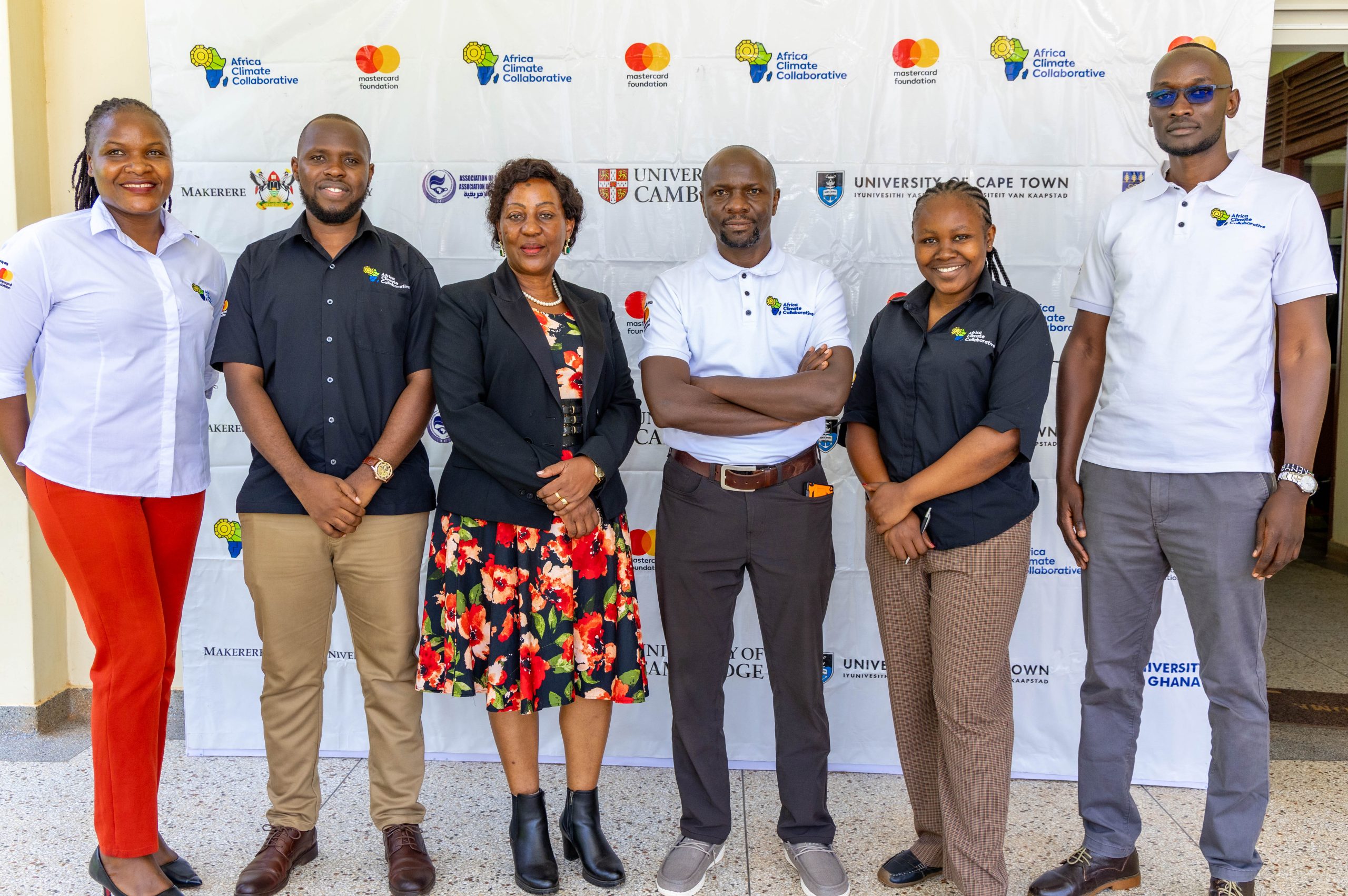
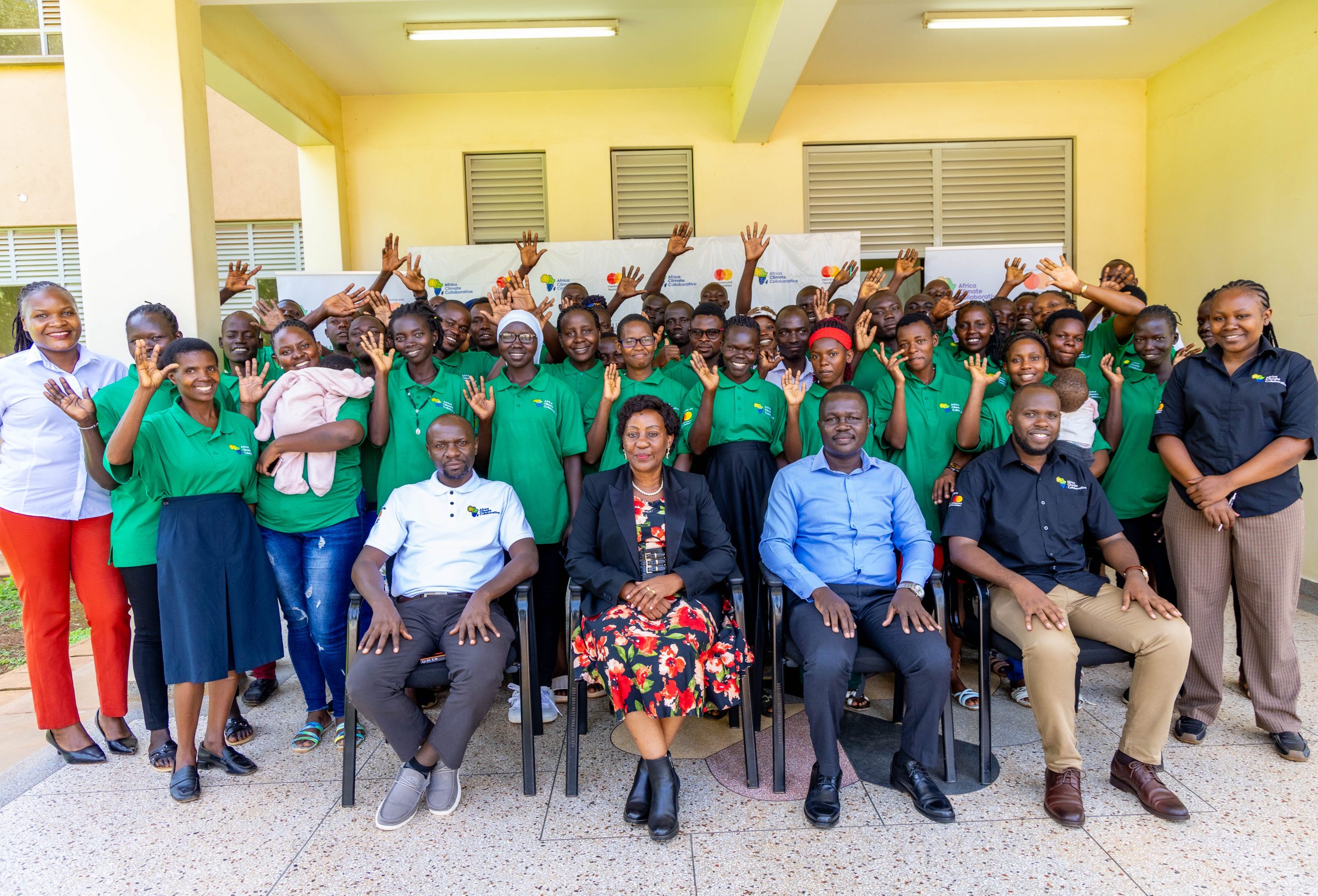
Now, at a stage in life when he had almost resigned himself to the possibility that the dream might never come true, Okello has finally set foot at the university, not as the student he once imagined becoming, but as one of 50 young people selected for the first cohort of the Africa Climate Collaborative Youth Skilling Program.
Okello’s dream, which he once sang about, finally became a reality on 28th September 2026, when he reported to Makerere University Agricultural Research Institute (MUARIK), where he and his other 49 counterparts from Lwengo, Rakai and Yumbe will undergo a 10-week residential training programme, followed by a three-month industrial attachment with various organisations.
The 50 youth, who are the first cohort of the Africa Climate Collaborative Youth Skilling Program at Makerere University, an Initiative supported by Mastercard Foundation will thereafter be assessed by the Uganda Vocational and Technical Assessment Board (UVTAB) and will receive government-recognised certificates upon successful completion of the programme.
The program, supported by the Mastercard Foundation, is providing the participants with practical skills and competences relevant for them to pursue employment, entrepreneurship and other livelihood opportunities.
For Okello, the opportunity has given him new meaning to a dream he had almost given up on.
“I used to dream of reaching Makerere when I was young. Today, that dream has come to pass. I really appreciate all the partners that made it possible for us to be here. I am very sure that this opportunity is here to change my life,” he said.
His dream now extends beyond acquiring skills. Okello plans to return to his community in Yumbe and establish a poultry enterprise specialising in egg production. He sees an opportunity in the limited local supply of eggs, which he says are currently transported from distant areas.
“My dream is to start a poultry business that can supply eggs within my neighbourhood. The eggs supplied there come from far, so I believe this business can make it easier for people to access them while also creating employment opportunities for me and others,” he said.
But Okello hopes the impact of the training will go beyond his own livelihood.
“I also aim to pass the information and knowledge I will receive in this program to others and empower them so that they can also stand on their own. I expect to learn the skills I need and make sure I implement them when I go back,” he said.
A chance to start again
For Jessica Kila-Edward, from Zone 5 of Bidi Bidi Refugee Settlement in Yumbe District, the program represents another kind of new beginning for her.
Jessica completed Senior Four during the COVID-19 period, after which opportunities for further education or employment proved difficult to find.
“Since I completed Senior Four during the Corona season, I had nothing to do. What I could do was farming, but I could not even manage things. Things were really rough for me,” she recounted.
When she learnt about the Africa Climate Collaborative Youth Skilling Program between June and July 2026, Jessica was determined to secure a place.
“I tried all the possible ways to make sure I was part of it, and luckily enough, I succeeded,” she said.
She now hopes to return to her community with skills that will enable her to become a change-maker and support other young people facing similar challenges.
“I am no longer going to be the same person I used to be in the village. I am looking forward to becoming a change-maker in my community and working with other young people who are also crying for opportunities like this,” she said.
Turning skills into income
For Carlos Magimbi from Lwengo District, the program presents an opportunity to strengthen his already existing business in poultry farming while improving his livelihood.
He hopes to use the knowledge gained during the training to support other young people in his community and improve his own income.
“After obtaining the skills from this training, I expect to go back to my community and share them with my fellow youth. I also hope the skills will help me transform my income and improve my life,” Magimbi said.
One of his immediate interests is improving poultry feed production. He says poor-quality feed has affected his birds and hopes the training will equip him with the skills to produce better feed himself.
“I am expected to master the techniques, especially because I have been facing a problem with feed. The feed on the market is sometimes of poor quality. I hope that through this training, I can learn how to make my own feed and improve the yields of my birds,” he said.

0 Comments