

Stewardship Team
This Team serves as the central executive decision-making body of the Africa Climate Collaborative.
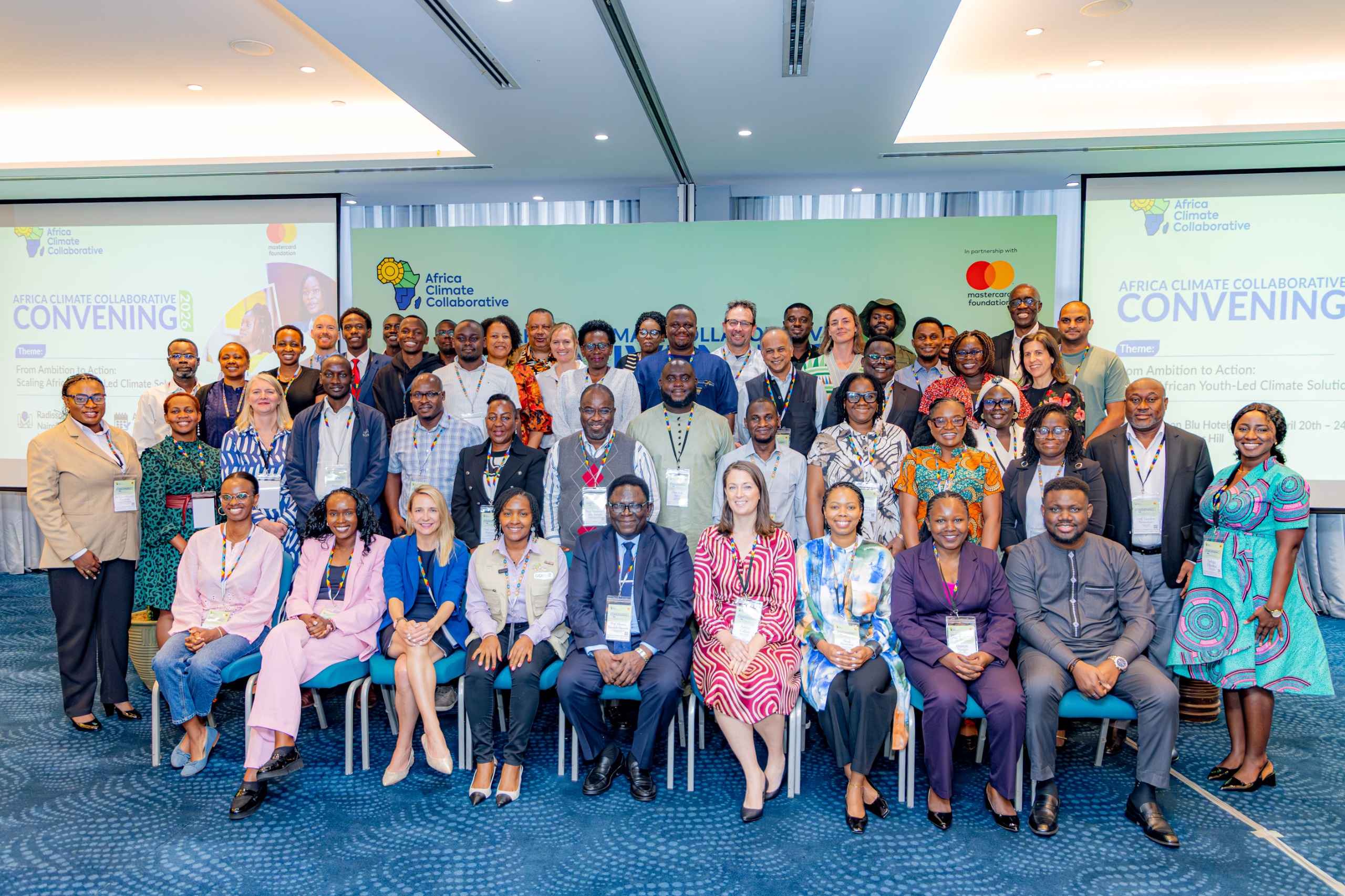
Serving as the central executive decision-making body, the Stewardship Team provides strategic coherence, ensures accountability, and foster shared leadership among all partner institutions. To embody the principle of shared leadership, the Stewardship Team is composed of senior representatives from each partner university. Leadership will be exercised through a rotating Chair and Deputy Chair. This rotation will ensure the leveraging of the unique strengths and perspectives of each team, shaping the Stewardship Team's work.
The Team holds the remit for final approval of strategic frameworks, annual work plans, and any collective transversal budget; it endorses recommendations from working groups and establishes operational policies necessary to achieve the Collaborative's mission, within the bounds of the program's overarching goals and the bilateral agreements with the Mastercard Foundation.
The core responsibilities of the Stewardship Team, executed under the leadership of the Chair, are to:
- Set and monitor progress against the Collaborative's strategic goals and key performance indicators.
- Provide guidance and endorse recommendations from the Advisory Board, Working Groups, and Operational Committees.
- Ensure robust knowledge management and learning are integrated across all activities.
- Champion the Collaborative's values of humility, listening, respect, co-creation, accountability, and impact in all interactions and decisions.
Meet our Stewardship Team.
UNIVERSITY OF CAMBRIDGE
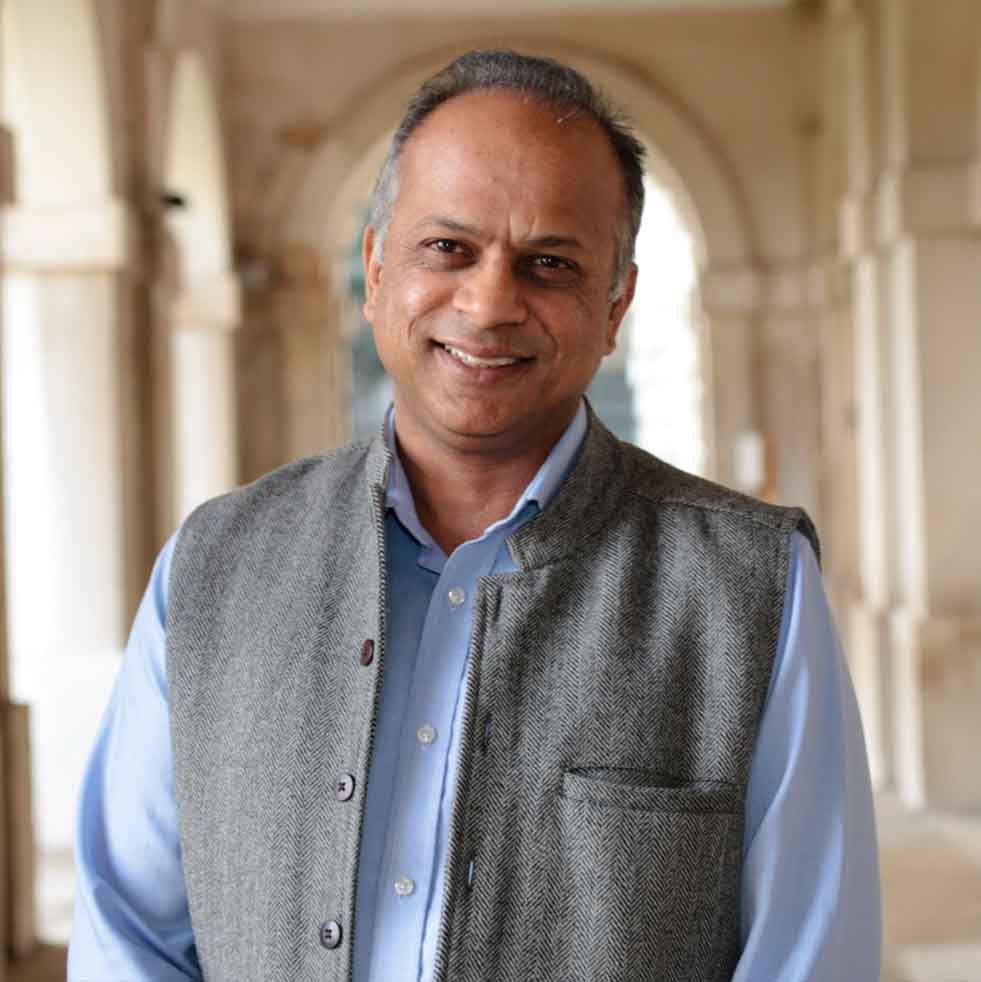
Prof. Bhaskar Vira
Senior Pro-Vice-Chancellor, Education and Environmental Sustainability, and Programme Head, Mastercard Foundation Scholars Program and Africa Climate Collaborative, University of Cambridge
Professional Profile
Professor Bhaskar Vira, FAcSS, is Senior Pro-Vice-Chancellor for Education and Environmental Sustainability at the University of Cambridge. He is Professor of Political Economy at the Department of Geography, a Fellow of Fitzwilliam College, Honorary Fellow of St John’s College, and Head of Program for the Mastercard Foundation Scholars Program.
Trained as an economist, Bhaskar’s research focuses on the political economy of land-use and landscape level strategies, water use and management, forest management, biodiversity conservation, ecosystem services and human well-being, with a specific focus on South Asia. He works with a number of PhD students and early career researchers on his broad interests in the political economy of environment and development, and has collaborations with colleagues in both academic and non-academic institutions in South Asia and around the world. He is currently leading a major initiative on Decent Work and Youth Livelihoods. He has led large scale applied research projects that involve interdisciplinary conversations across the natural and social sciences, and contributes regularly to policy advisory processes across the science-policy interface.
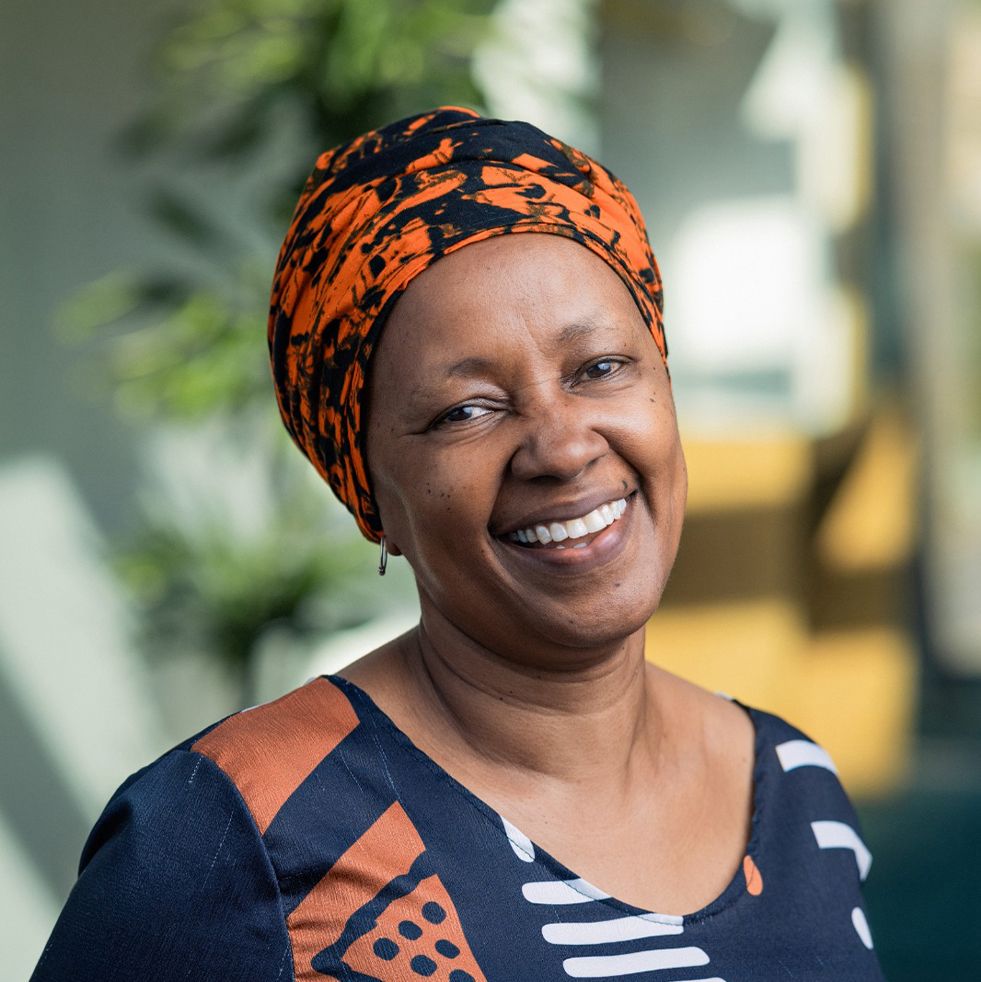
Dr Tabitha Mwangi
Programme Director, Mastercard Foundation Scholars Program and Africa Climate Collaborative, University of Cambridge
Professional Profile
Dr. Tabitha Mwangi is programme director (operational lead) at the Mastercard Foundation Scholars and Collaborative Program at the University of Cambridge. Prior to this, she was Cambridge-Africa Programme Manager. She has been Senior Lecturer in Public Health at Anglia Ruskin University, UK and Pwani University in Kilifi, Kenya.
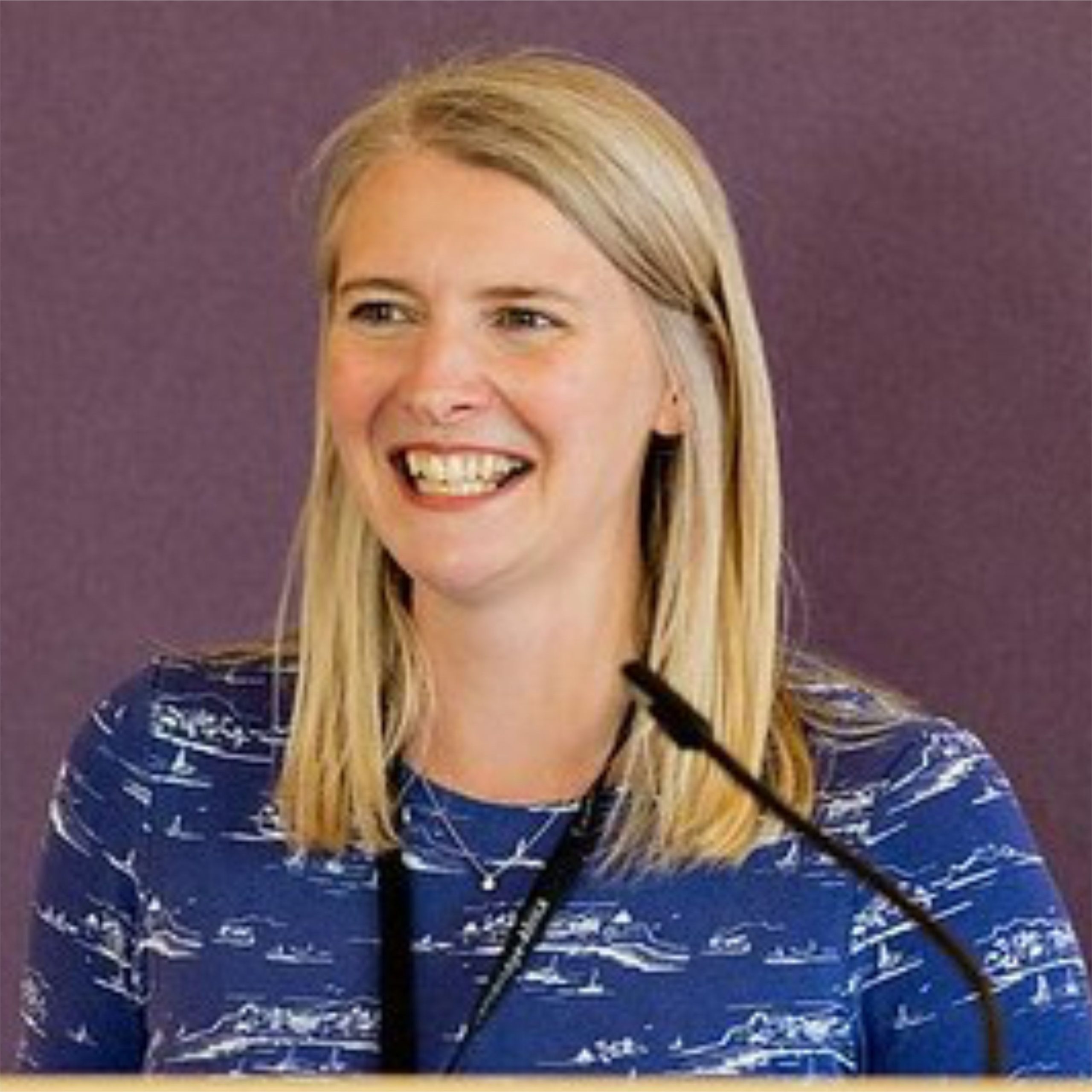
Prof. Caroline Trotter
Professor of Global Health, University of Cambridge
Professional Profile
Prof. Caroline Trotter is Professor of Global Health at the University of Cambridge. She is an infectious disease epidemiologist and an authority on vaccine-preventable diseases, including bacterial meningitis. She is co-chair of the World Health Organization (WHO) technical taskforce for the "Defeating Meningitis by 2030" global roadmap. Caroline is Director of Cambridge-Africa, a University programme that supports African researchers and promotes mutually beneficial collaborations and equitable partnerships between Africa and Cambridge.
UNIVERSITY OF CAPE TOWN

Prof. Mark New
Professor in the Department of Environmental and Geographical Science and a Research Chair at ACDI, UCT
Professional Profile
Prof. Mark New has over twenty-five years’ experience in climate change research, teaching and project management and has been the principal investigator on over twenty large research projects. His research has encompassed detection of climate change trends, climate modelling and scenarios, assessment of uncertainty in climate projections and impacts, attribution of climate change impacts, and climate change adaptation.
His current research focuses on climate change risk, attribution and climate adaptation, with an African focus, including: (i) improved understanding of climate processes, climate projections, climate risk and attribution; (ii) climate impacts and adaptation, especially with regard to health, fire and water, and compound impacts across sectors; (iii) barriers and enablers to climate adaptation and resilience. He has also contributed to scholarship and teaching on engaged research and transdisciplinary leadership.
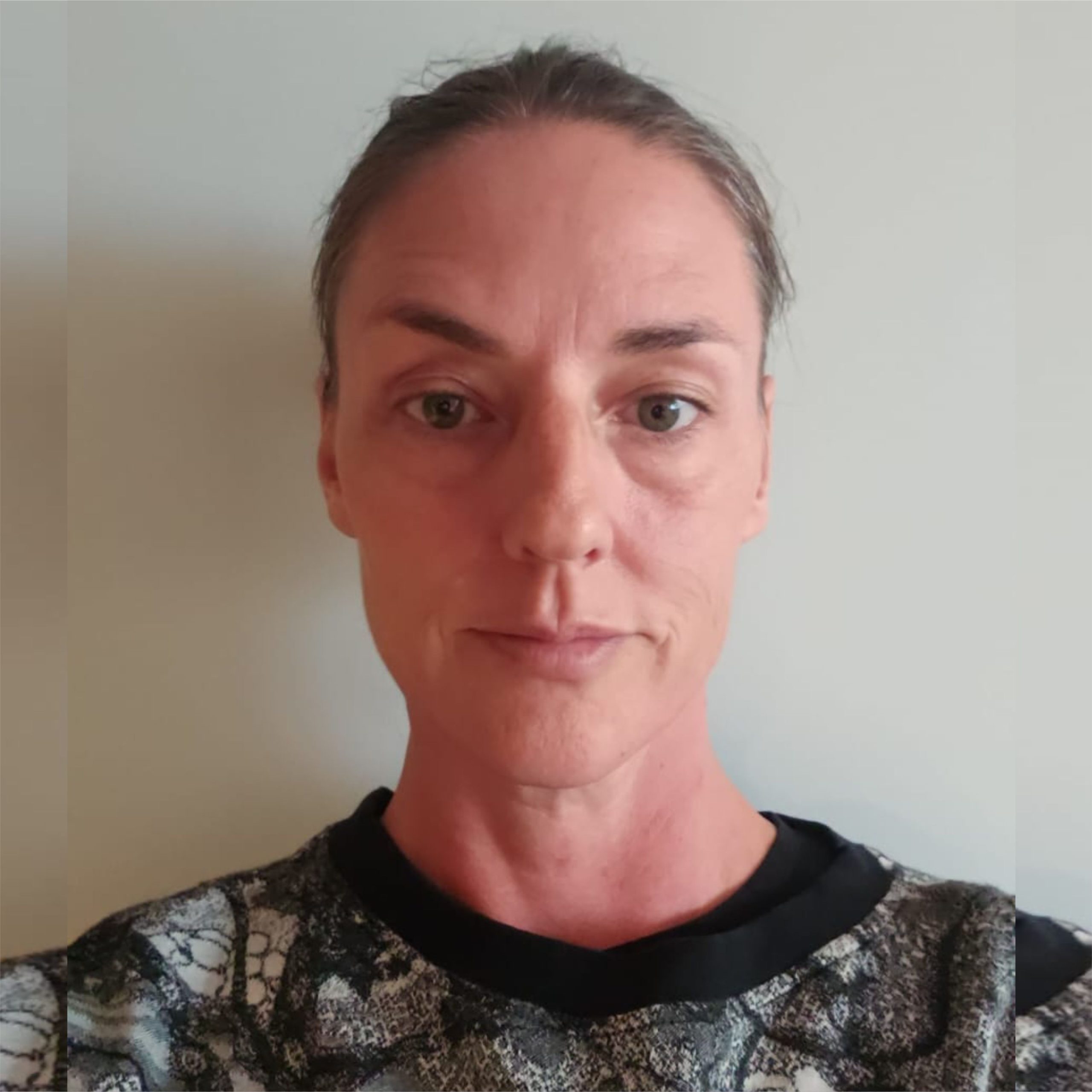
Dr Marieke Norton
Environmental Anthropologist, University of Cape Town, South Africa
Professional Profile
Dr Marieke Norton is an environmental anthropologist from Cape Town, South Africa. She has convened the African Climate and Development Initiative's Masters in Climate Change and Sustainable Development at UCT for the last ten years.
UNIVERSITY OF GHANA

Prof. Gordon A. Awandare
Pro Vice-Chancellor (Academic and Student Affairs), University of Ghana
Professional Profile
Prof. Gordon Awandare is the founding Director of the West African Centre for Cell Biology of Infectious Pathogens (WACCBIP) and a Professor of Biochemistry, Cell and Molecular Biology at the University of Ghana, with specialisation in malaria parasite biology, immunology, and pathogenesis. He is a Fellow of the Ghana Academy of Arts and Sciences and the Royal Society of Biology, and a Visiting Professor at Oxford Brookes University.
He serves on several boards and committees of international research networks and is a recipient of notable awards, including the Millennium Excellence Award in Biomedical Sciences and the Bailey K. Ashford Medal for outstanding contributions in Tropical Medical Science.
He currently holds the position of Pro Vice-Chancellor (Academic and Student Affairs) at the University of Ghana, where he provides leadership across multiple academic and administrative functions. He has extensive experience in university management, research leadership, and governance.
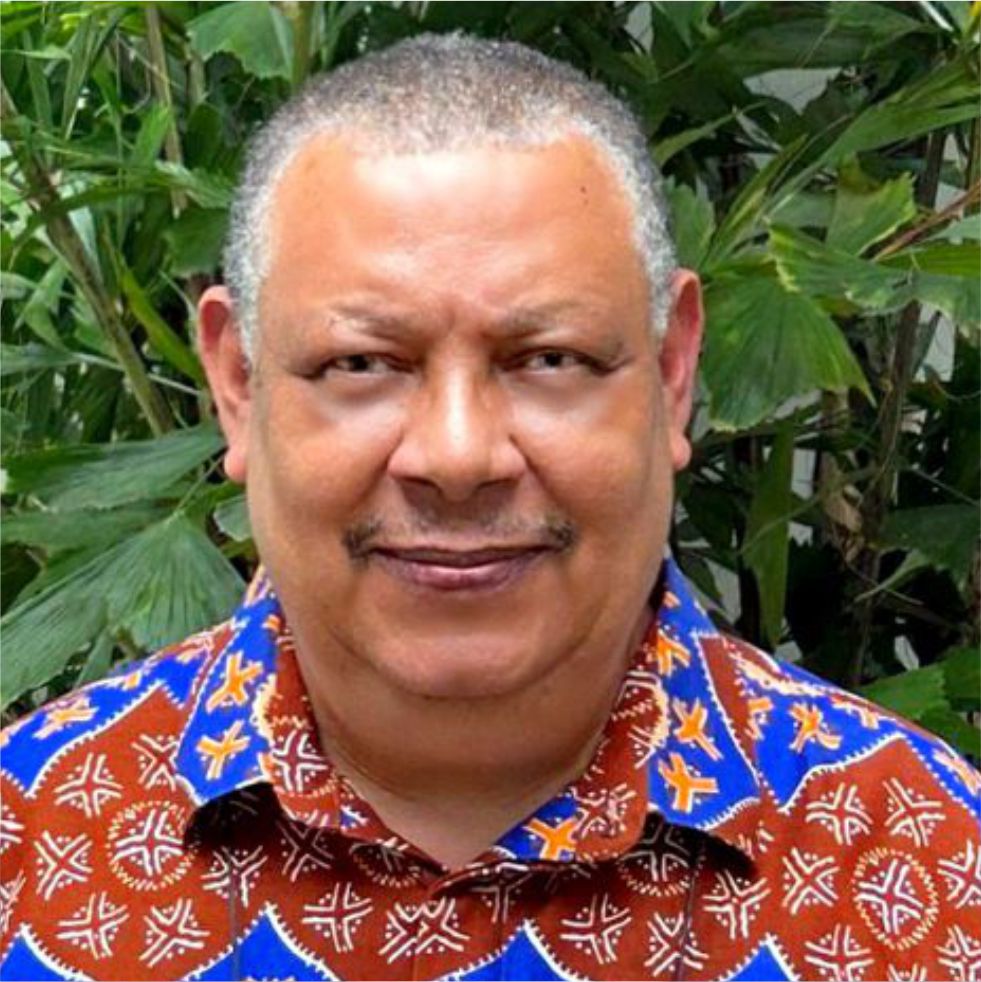
Prof. Christopher Gordon
Project Deputy Director (Technical), Africa Climate Collaborative Project, University of Ghana
Professional Profile
Prof. Christopher Gordon is the Founding Director of the Institute for Environment and Sanitation Studies at the University of Ghana. He is an Environmental Scientist with interests in Climate Change Adaptation, Environmental Degradation, and Biodiversity Loss. He has served as Dean of International Programmes and the Founding Director of the Institute for Environment and Sanitation Studies. Prof Gordon was Executive Vice President of the International Society of Limnology (SIL) and Vice-President of Wetlands International.
Currently, he is an Ambassador of the Earth Commission of Future Earth, a member of the IPBES Multidisciplinary Expert Group, the Evidence Advisory Group of the Global Centre on Biodiversity for Climate (GCBC) UK, and an Advisory Board Member for the UNU-Institute for Natural Resources in Africa. He is also the recipient of the Order of the Volta from the Government of Ghana for services in Development, Education, and Research.

Dr. Adelina Maria Mensah
Project Deputy Director (Operations), Africa Climate Collaborative Project, University of Ghana
Professional Profile
Dr. Adelina Mensah is a Senior Research Fellow at the Institute for Environment and Sanitation Studies, University of Ghana, with over 15 years of experience in interdisciplinary research, teaching, and policy engagement on climate change, environmental sustainability, gender, and resilience. Her work focuses on the links between ecosystems and human wellbeing, with particular attention to the social, institutional, and governance dimensions of environmental management and adaptation across local, national, and international contexts. She has played leading roles in several multi-country research consortia and policy-oriented initiatives, working with national and international partners on climate, health, biodiversity, and sustainability issues. She has also contributed significantly to graduate training, research coordination, and stakeholder engagement, applying transdisciplinary approaches that strengthen the connections between research, policy, and practice.
MAKERERE UNIVERSITY

Prof. Goretti Nabanoga
Program Director - Makerere University
Professional Profile
Prof. Goretti Nabanoga, is the Principal of the College of Agricultural and Environmental Sciences (CAES) at Makerere University and the Director of the Africa Climate Collaborative at Makerere University. With over three decades of academic and leadership experience, she has dedicated her career to advancing climate resilience, gender-responsive natural resource governance, and inclusive livelihoods transformation in Africa. Through teaching, research, mentorship, and institutional leadership,
She has supported shaping generations of scholars and practitioners, mobilized significant research partnerships, and translated evidence into action that improves livelihoods and ecosystems. As Director of the Africa Climate Collaborative, she provides strategic leadership to a pan-African program that is building institutional capacity and empowering Africa’s next generation of climate leaders through graduate training, postdoctoral fellowships, youth skilling, transformative research, policy engagement, and establishing a Climate Resilience Centre at Makerere University. Her work is grounded in inclusive scholarship, mentorship, and community engagement, driven by a vision of sustainable, equitable, and climate-resilient futures for Africa.

Prof. Justine Namaalwa
Coordinator, Mastercard Foundation Initiatives
Professional Profile
Prof. Justine Namaalwa is the Head, Department of Environmental Management at Makerere University and a Professor of Forest Economics in the College of Agricultural and Environmental Sciences, Makerere University. She is engaged in teaching, student mentorship, research and community engagements in the fields of natural resource economics, valuation and modelling; ecosystem service markets; and gendered access to natural resources. Justine serves as the Coordinator, Mastercard Foundation Initiatives at Makerere University ensuring complementarity across the three initiatives, Scholars Program, the e-learning Initiative and the Africa Climate Collaborative.
She serves as the Program Director of the Mastercard Foundation Scholars Program at Makerere University. She has contributed to institutional transformation including development of the Makerere University Strategic Plan, 2025/26 - 2029/30; The Makerere University Safeguarding policy, 2024; The Makerere University Career Guidance and Mentorship Policy, 2025 and, operationalisation of the Makerere University Disability Support Centre.