
Article by Nancy Asamoah Appiah
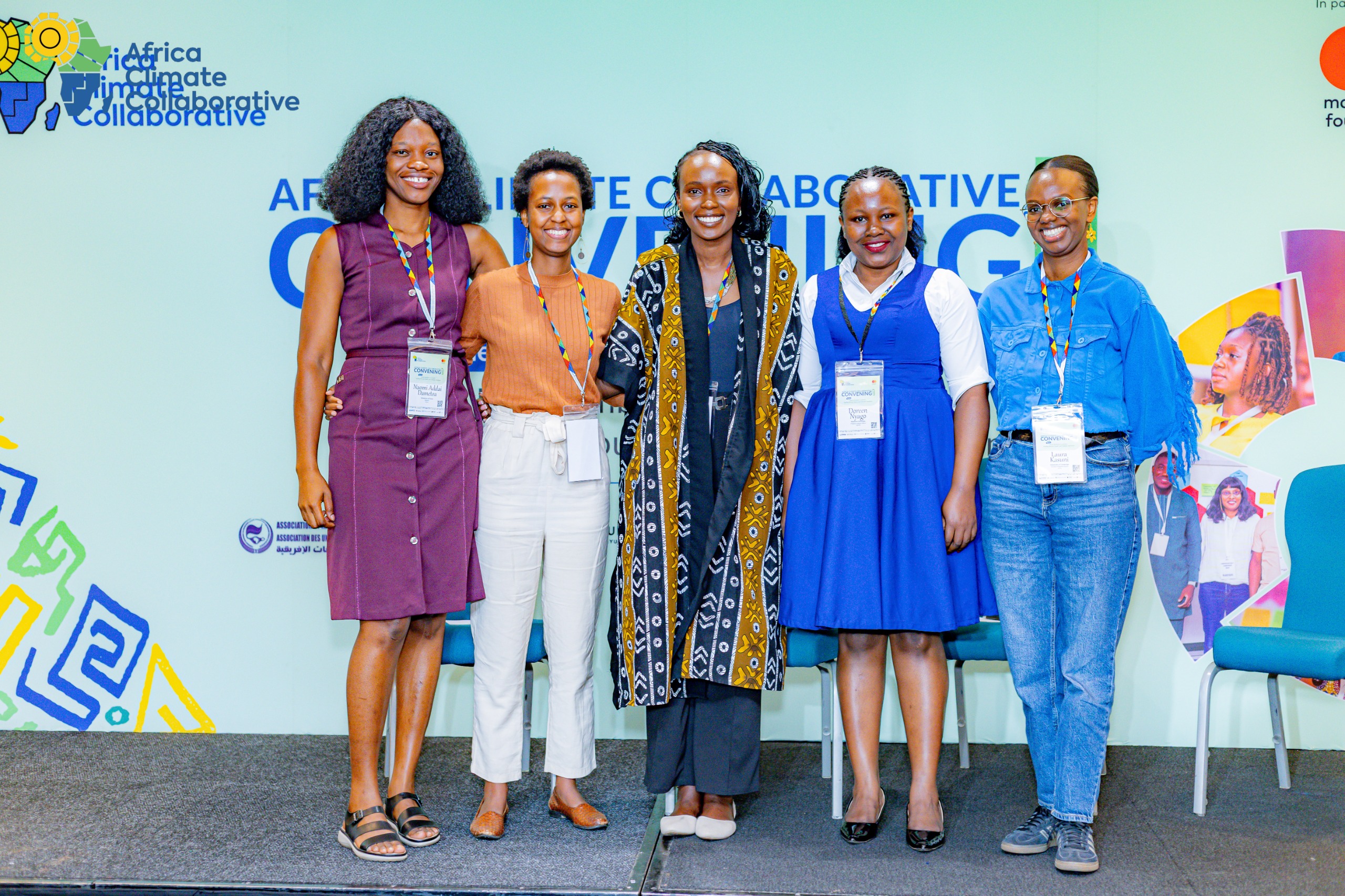
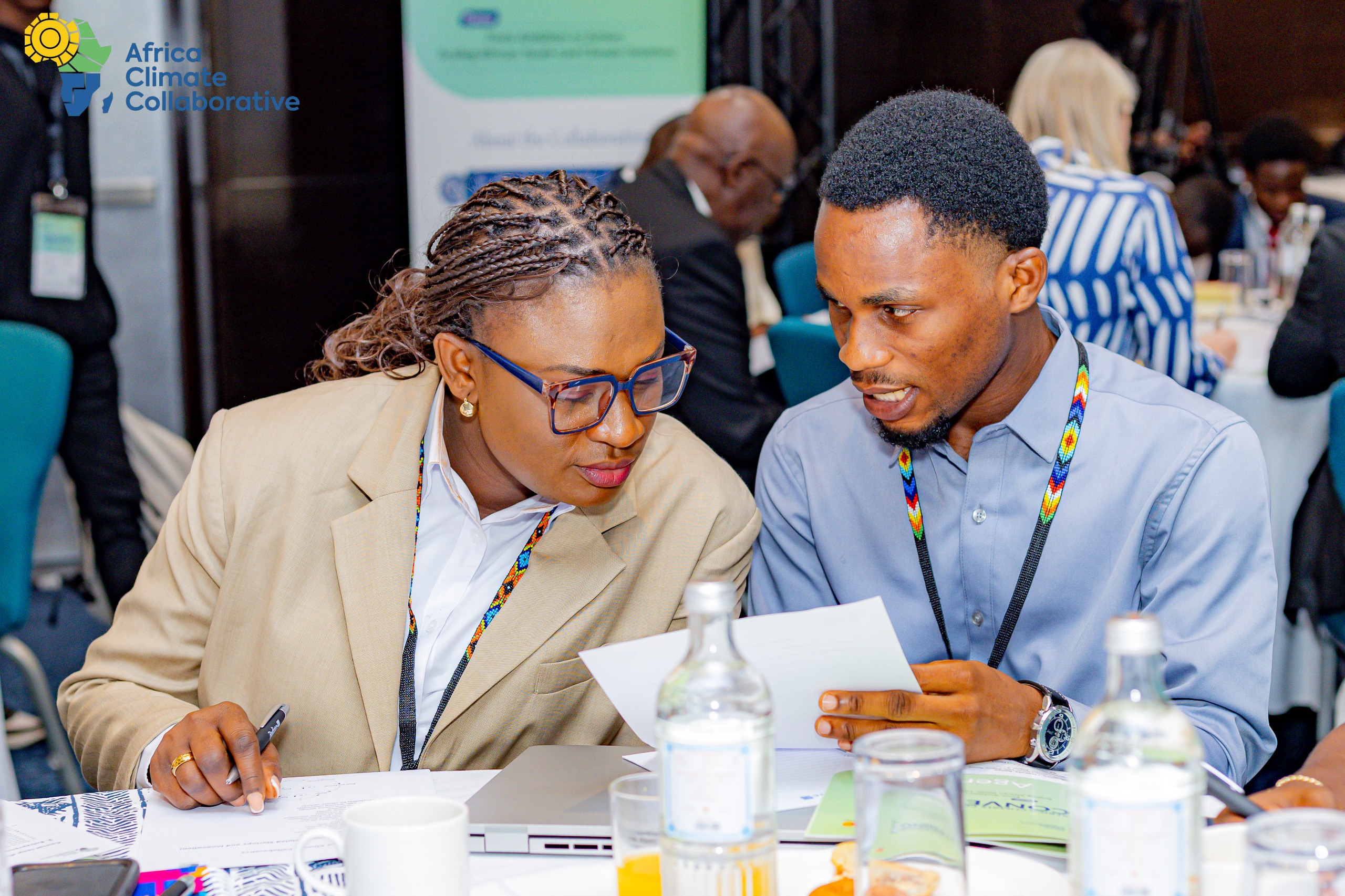
The Africa Climate Collaborative convened its first in-person Communications and Branding Workshop in Nairobi, Kenya, bringing together communications professionals, programme coordinators, and higher education leaders from partner institutions across Africa and beyond. The workshop marked a significant milestone for the collaborative as it continues to strengthen its identity, align communication strategies, and amplify the impact of climate-focused higher education initiatives across the continent.
Opening the session, Thuli Montana, Lead for the Africa Climate Collaborative, described the workshop as a critical moment in the collaborative’s growth journey. She noted that the Africa Climate Collaborative was established to support higher education institutions in advancing climate-positive growth through research, innovation, skilling, and youth empowerment. According to her, the collaborative seeks to equip young Africans with the knowledge, skills, and resources needed to contribute meaningfully to green economies and climate resilience initiatives.
Thuli Montana emphasised that communication is central to the success of the initiative and not merely an add-on activity. She explained that as the collaborative moves into a new phase of implementation with all partner universities now fully engaged, there is a growing need to intentionally capture, communicate, and scale stories of impact emerging from the institutions. She further stressed that the collaborative is not simply a collection of programmes, but a partnership working across countries, disciplines, and institutions to drive inclusive green growth and create pathways for young people into green jobs.
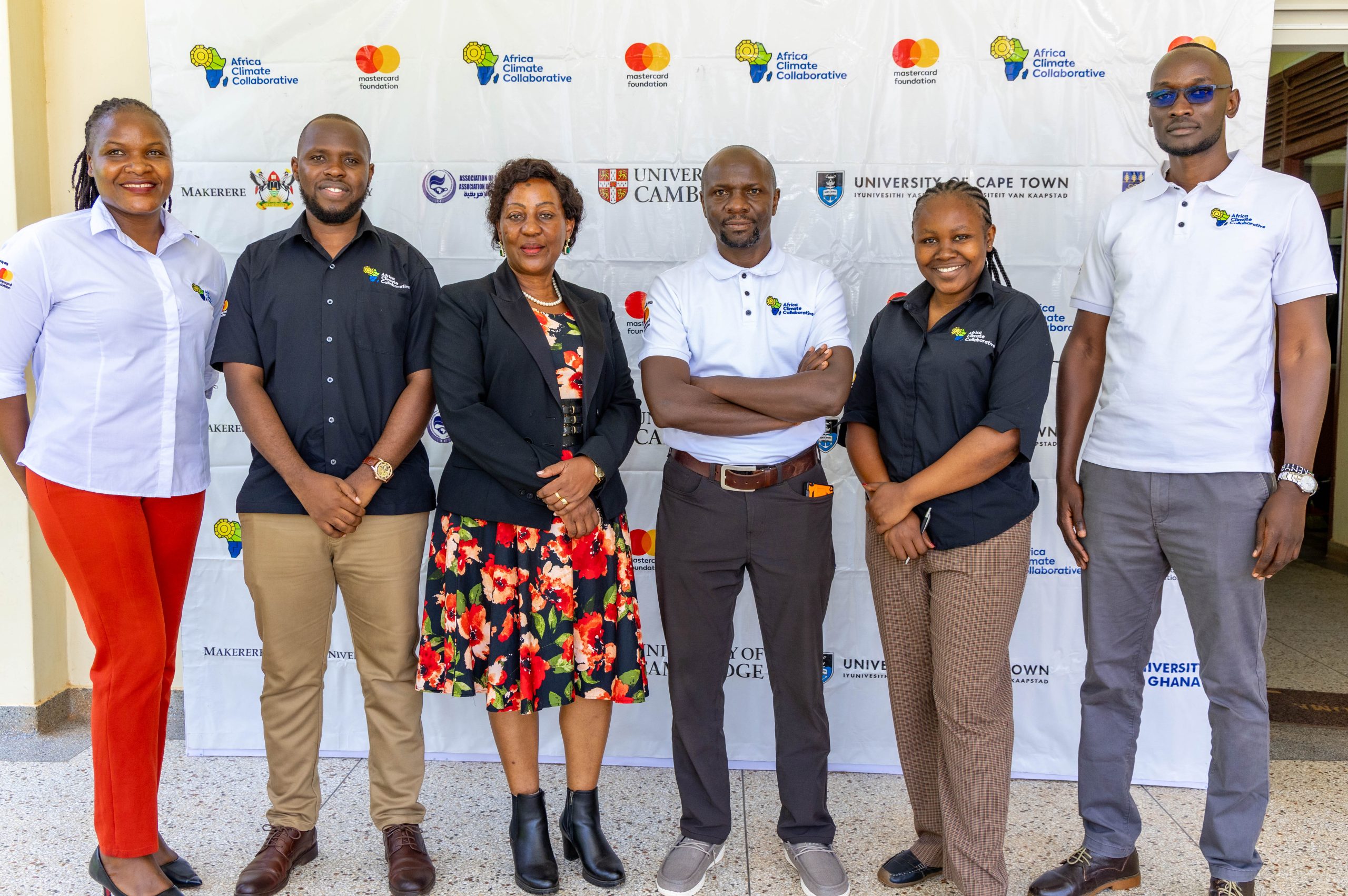
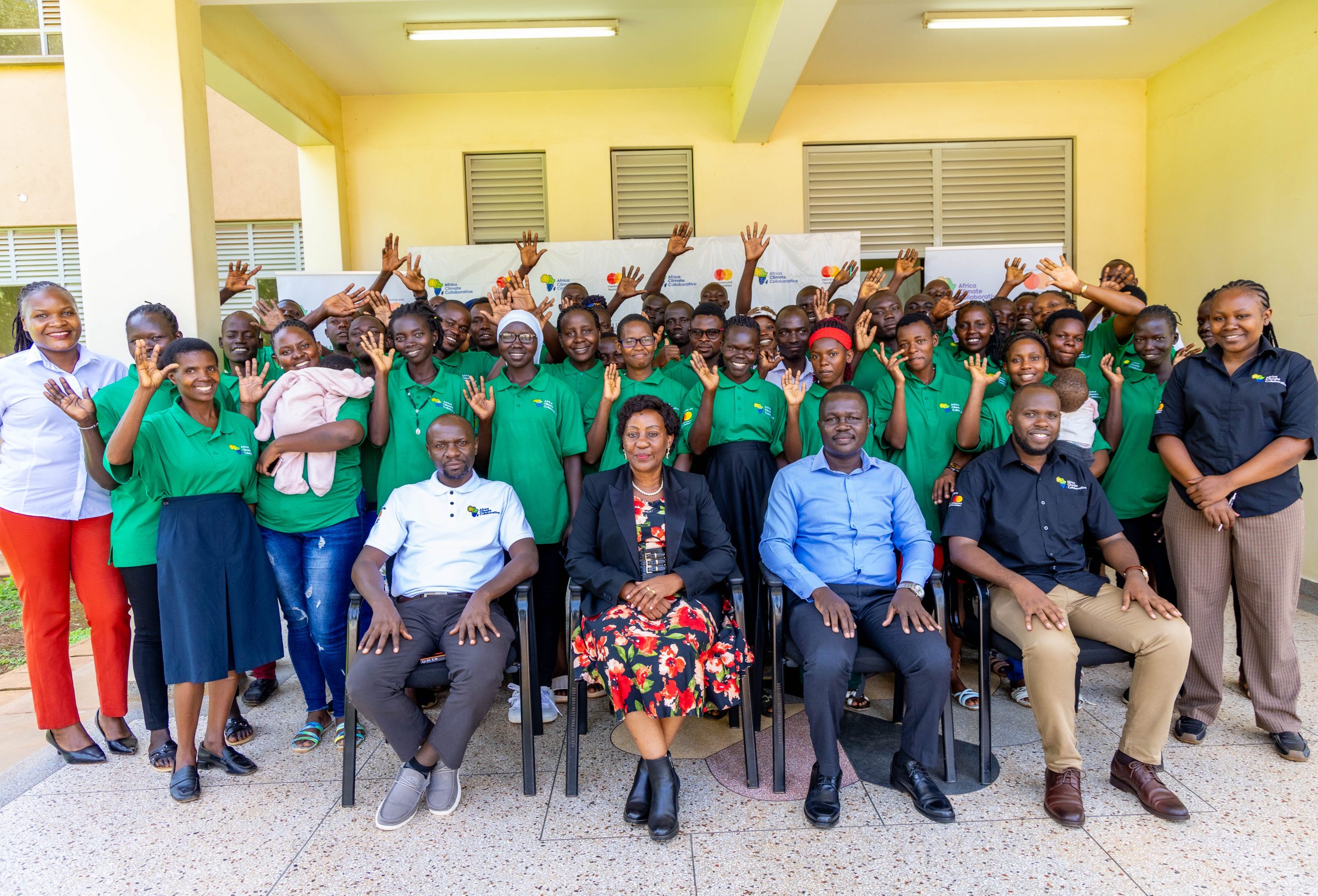
Participants at the workshop included representatives from the University of Ghana, University of Cambridge, Makerere University, University of Cape Town, the Association of African Universities (AAU), and the Mastercard Foundation, among others. The diverse group reflected the collaborative and international nature of the initiative. During introductions, participants highlighted their various roles in programme implementation, communication, public engagement, and institutional coordination, setting the tone for knowledge sharing and collective action throughout the workshop.
Facilitators underscored that the workshop was designed not to create communication systems from scratch, but to align existing institutional structures and operationalise a shared communication strategy. Dr. Felicia Nkrumah Kuagbedzi, who guided participants through the workshop objectives and agenda, explained that the collaborative had already spent over a year co-creating its communication strategy, branding framework, and storytelling approach. She praised the rapid progress made by the team, noting that many collaboratives take several years to develop cohesive brand systems, while the Africa Climate Collaborative had achieved this milestone in record time.
The workshop agenda focused heavily on practical implementation. Sessions explored brand architecture, storytelling frameworks, monitoring and evaluation indicators, institutional communication priorities, and collaborative action planning. Participants also engaged in university deep-dive presentations and breakout sessions aimed at developing a shared 2026 communication action plan aligned with the collaborative’s Monitoring, Evaluation, and Learning (MEL) framework.
One of the key themes throughout the discussions was the importance of speaking with one collective voice. Facilitators warned that fragmented communication could dilute the impact of the collaborative’s work. Instead, institutions were encouraged to actively amplify each other’s stories, campaigns, and achievements across their respective networks. Participants were urged to move beyond coordination toward meaningful collaboration that strengthens visibility and public engagement for climate action initiatives led by African universities.
The workshop also introduced detailed branding guidelines for collaborative assets, communication materials, apparel, social media graphics, podium branding, email signatures, letterheads, and event collateral. Presenters emphasised consistency in logo placement, spacing, visual hierarchy, and partnership representation. The Africa Climate Collaborative logo was consistently positioned as the primary identity element, usually placed on the left side of communication materials, while partner institutions and the Mastercard Foundation branding followed clearly defined placement protocols.
Particular attention was given to scenarios involving government ministries, multiple collaborative partners, and implementing institutions. Facilitators explained that while branding flexibility exists, visual consistency and clarity remain essential. White space, proportional logo sizing, and balanced layouts were identified as critical elements in maintaining professionalism and ensuring all partners receive equitable visibility. The branding team also clarified that the guidelines remain a “living document,” allowing room for adaptation as new communication scenarios emerge across partner institutions.
The workshop further highlighted the need to balance collaborative branding with institutional identities. Discussions addressed practical concerns such as internal communications, co-hosted events, university-led initiatives, and joint programming involving multiple Mastercard Foundation-supported projects. Participants raised questions about how to represent several initiatives within the same institution without overcrowding communication assets. Facilitators encouraged continued feedback to refine and expand the evolving branding framework.
Annette Mutuku, Director of Program Communications at the Mastercard Foundation, also addressed participants, outlining the Foundation’s communication priorities for the year. She highlighted the Foundation’s leadership transition following the appointment of its new President and CEO, Ashley, while reassuring participants that the organisation’s strategic direction and mission remain unchanged. Mutuku emphasised the importance of collaboration, storytelling, and identifying communication opportunities that demonstrate the transformative impact of climate and education initiatives across Africa.
Throughout the workshop, participants repeatedly returned to the importance of impact storytelling. Facilitators stressed that effective communication should not only report activities but also shape compelling narratives about how African universities are responding to climate challenges through innovation, research, and skills development. By documenting success stories and sharing them strategically, the collaborative hopes to strengthen stakeholder engagement, attract support, and position African institutions as drivers of climate solutions and sustainable development.
The workshop concluded with a renewed commitment among participants to operationalise the collaborative’s communication strategy and strengthen institutional coordination moving forward. By bringing together communication leaders, programme coordinators, and institutional representatives in person for the first time, the Africa Climate Collaborative reinforced its vision of building a unified, impactful, and globally visible climate education movement led by African higher education institutions.

0 Comments