

By Esther Afful
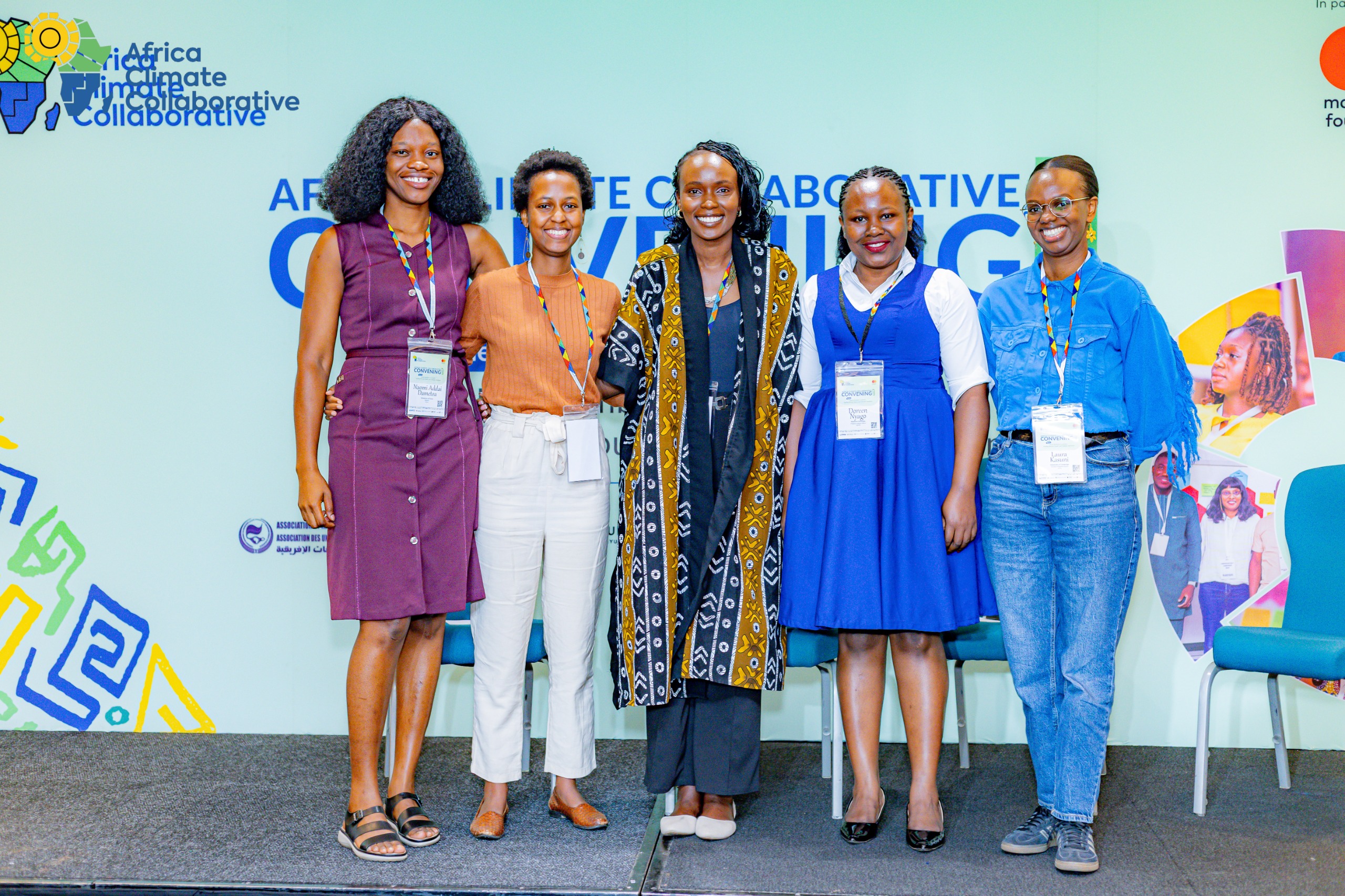
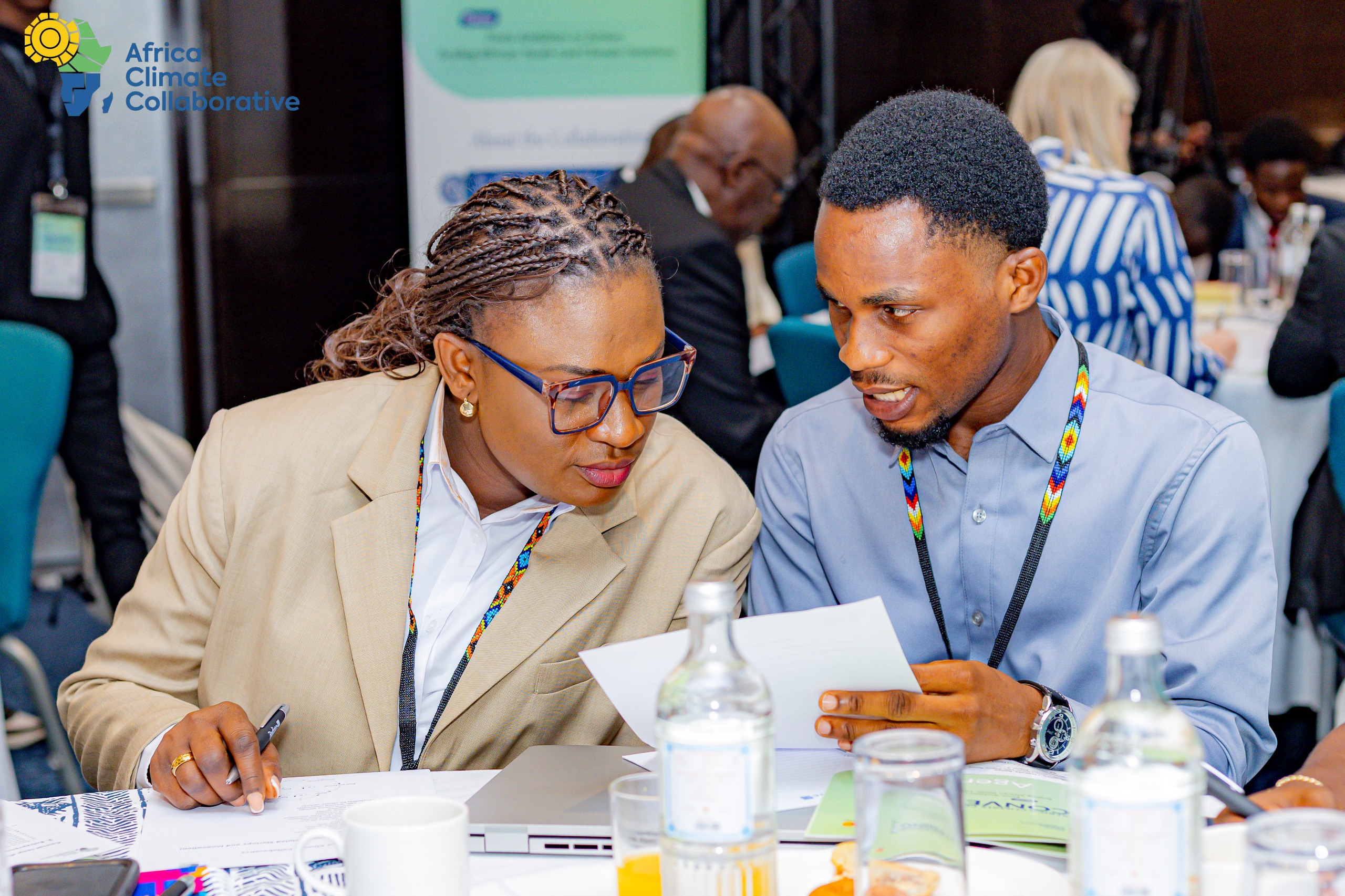
On April 20, 2026, the Africa Climate Collaborative, held in Nairobi, Kenya, brought together communications leads and programme representatives from partner institutions, in collaboration with the Mastercard Foundation and the Association of African Universities (AAU), to strengthen alignment on strategic communications, branding, and impact storytelling across the Collaborative. Representatives from the University of Ghana, Makerere University, the University of Cape Town, and the University of Cambridge shared their communications priorities for the year ahead. Central to the discussion was a shared understanding that often weakens the visibility and influence of African-led research and innovation. By building a shared framework for storytelling, digital engagement, and audience targeting, the Collaborative aims to ensure that climate solutions reach the young people, policymakers, and entrepreneurs who need them most.
University of Ghana: Communication and Public Engagement
As host of the convening, the University of Ghana outlined three key communications and branding priorities for the second, third, and fourth quarters of 2026.
The first priority is strengthening project visibility through the adoption of a cohesive brand architecture across all Collaborative platforms. The second focuses on documenting and sharing progress and impact stories, including research outcomes from Cohort I fellows, the journeys of MPhil and PhD researchers, and findings from the Catalyst Grant programme. The third priority centres on expanding region-wide reach through stronger collaboration with partner universities and leveraging existing Mastercard Foundation programmes.
University of Ghana also highlighted several upcoming milestones, including the rollout of newly developed short courses, enhanced youth engagement initiatives with a focus on persons with disabilities, and the promotion of green enterprise success stories showcasing climate startups gaining access to funding and broader markets.
To reach these audiences, the University plans to engage financial institutions like Cal Bank and Fidelity Bank, media organizations like Joy FM and YFM, NGOs including the Climate and Development Knowledge Network and UNHCR, research institutions across Ghana, youth and disability-focused organizations, and local communities through community engagement activities, digital platforms LinkedIn, X, and Facebook, and traditional media, particularly community radio. And finally, receive support from the AAU or the Mastercard Foundation to assist in networking them with relevant organisations and leverage on existing programmes.
Makerere University: Centering Inclusion and Accessibility
Makerere University presented a communications strategy grounded in inclusion and accessibility. Their priorities for 2026 focus on amplifying the Collaborative’s visibility among government actors, industry players and local communities, while ensuring that underserved and vulnerable youth are not left behind.
Among their flagship goals are increasing access to opportunities for young people not in education, employment, or training (NEET), profiling the academic journeys of Cohort I scholars, establishing a baseline impact measurement system, and operationalizing Climate Resilience and Sustainability
Centres (CRSCs) across partner institutions and strengthening partnerships and collaborative ecosystem activation to support activity implementation.
Their prioritised audience is young people like MSc and PhD students, youth not in education, employment or Training, Government and Policy Actors like ministries, departments and authorities, regulatory bodies, local governments, youth and women running scalable innovative ventures, Private Sector and Industry (Drivers of innovation uptake) and Civil society organizations.
Makerere University intends to leverage social and digital knowledge platforms such as LinkedIn, X (Twitter), Instagram and traditional media such as National and community radio, Newspapers and experiential and knowledge exchange platforms such as Policy dialogue, Innovation fairs and demo days, and community outreach events.
Makerere also raised a challenge familiar to many institutions across the continent. While large amounts of data are collected, they are not always translated into compelling and accessible narratives. The institution further noted the absence of a clear decentralized content production structure and limited mechanisms for coordinated communication across partners. To address these gaps, the institution emphasized the need for stronger capacity building in science communication and impact storytelling to better communicate research outcomes and community impact. The university also called for cross-collaborative learning and knowledge exchange platforms and clarity on the approval process for communication materials.
University of Cambridge: Building the Foundations for Visibility Through Digital Engagement
The University of Cambridge focused its presentation on strengthening digital visibility and institutional awareness within the Collaborative.
Its communications priorities for 2026 include developing a central website to showcase grants, opportunities, and impact stories to strengthen the awareness of the Collaborative within Cambridge itself; and producing case studies that highlight youth leadership and real-world impact.
Cambridge also highlighted several flagship initiatives, including the “Green Jobs and Young People” project, support for African social ventures in partnership with Delta40, and carbon and ESG training programmes delivered with Localized. These initiatives demonstrate how climate-focused partnerships can create practical opportunities for young Africans while supporting innovation and sustainable development.
University of Cape Town: Promoting Innovation and Climate Learning
The University of Cape Town (UCT) highlighted a communications strategy focused on strengthening visibility for climate education, innovation, and research-driven impact.
Among its key priorities for 2026 is the promotion of the Graduate School of Climate, including its Master’s, PhD, and postdoctoral training programmes. UCT also emphasized the importance of sharing impact stories from scholar programmes to attract future applicants and strengthen awareness of climate-focused academic opportunities across the continent.
Another major area of focus is the Climate Action Innovation Lab (CAILab), which supports early-stage problem solving, innovation development, and entrepreneurial capacity building. Through the Lab, UCT aims to nurture practical and scalable climate solutions while equipping young innovators with the skills needed to respond to emerging climate challenges.
The University also highlighted its Synthesis Science training programme, including plans to recruit participants for a week-long course designed to strengthen interdisciplinary climate research and collaboration. Impact stories from synthesis science teams will further be used to promote the programme and showcase its growing influence.
UCT identified students, early-career researchers, NGOs, community-based organizations, local governments, and businesses seeking to strengthen climate resilience as its primary target audiences. To reach these groups, the institution plans to leverage existing communications channels within the African Climate and Development Initiative (ACDI) and the wider university ecosystem, including social media platforms, mailing lists, and partnerships with local organizations and government institutions.
The University also noted the need to strengthen internal communications capacity and called for additional support to amplify impact stories and develop recruitment and storytelling materials that communicate the value of climate-focused research and innovation.
The Nairobi convening reaffirmed the Africa Climate Collaborative’s commitment to strengthening climate resilience through partnership, innovation, and inclusive engagement. As participating institutions continue to advance research, youth empowerment, and climate action initiatives, strategic communication will remain essential in amplifying African-led solutions and ensuring that climate knowledge reaches the communities and stakeholders driving change across the continent.

0 Comments