

BY DAMALI MUKHAYE
Laughter, excitement and renewed hope filled the Makerere University Agricultural Research Institute Kabanyolo (MUARIK) on 28th September 2026, as 50 young people who had previously been left out of employment, education and training opportunities gathered to begin their journey under the Africa Climate Collaborative (ACC) Youth Skilling Program.
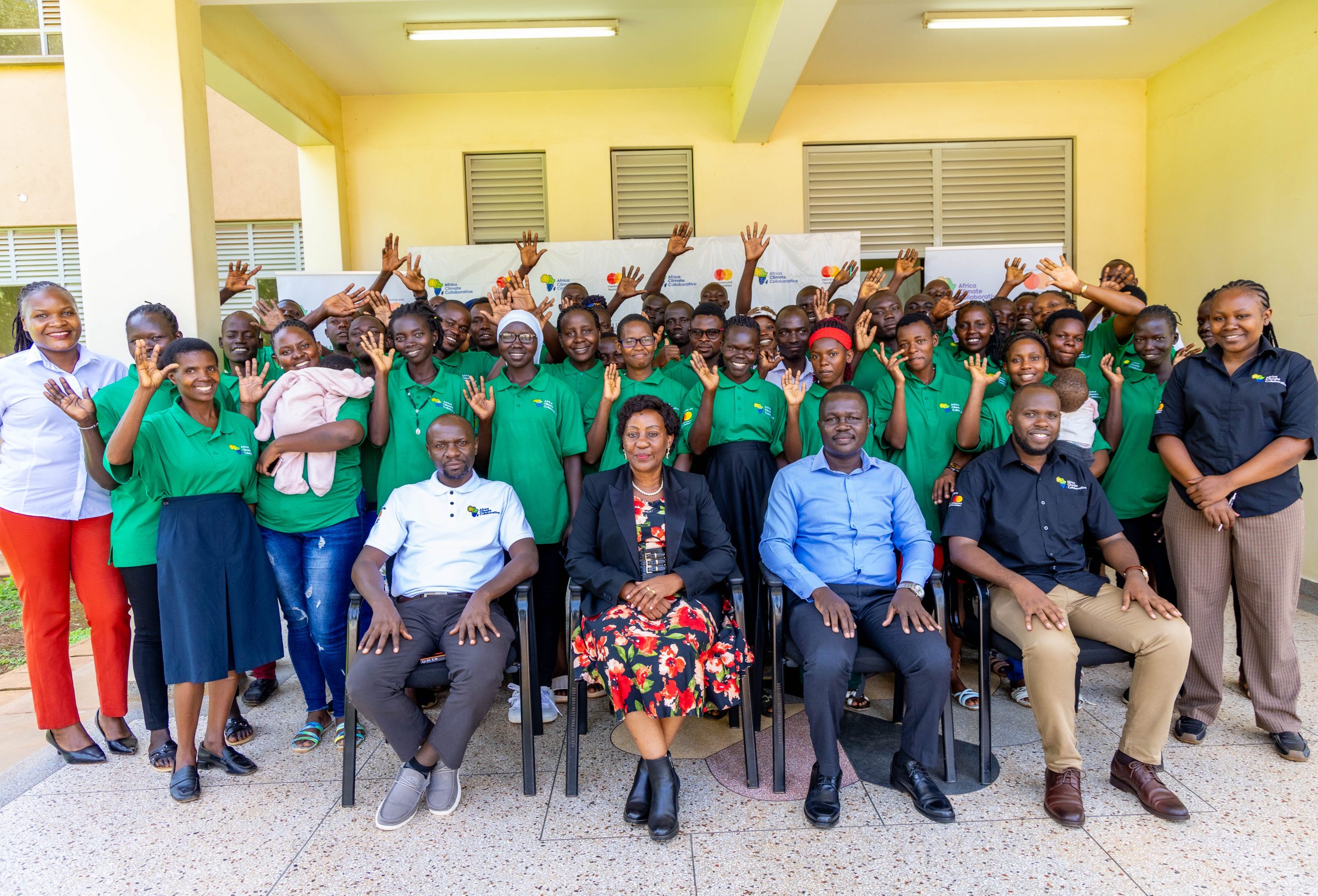
The youth, selected from Lwengo, Rakai and Yumbe districts, are the first cohort under the Africa Climate Collaborative Youth Skilling Program at Makerere University, an initiative supported by the Mastercard Foundation.
Speaking during the day two orientation at MUARIK, the Program Director, Prof. Gorettie Nabanoga, said the youth will undergo a 10-week residential training programme at MUARIK, followed by a three-month industrial attachment with various organisations.
The youth will thereafter be assessed by the Uganda Vocational and Technical Assessment Board (UVTAB) and will receive government-recognised certificates upon successful completion of the program.
Prof. Nabanoga told the participants that the program was not designed to benefit them alone, urging them to think about how they would use the skills acquired to transform the lives of others in their communities.
“The bigger question is going to be, who is going to benefit because you came here? Don’t think about yourself. Who else?” Prof Nabanoga asked.
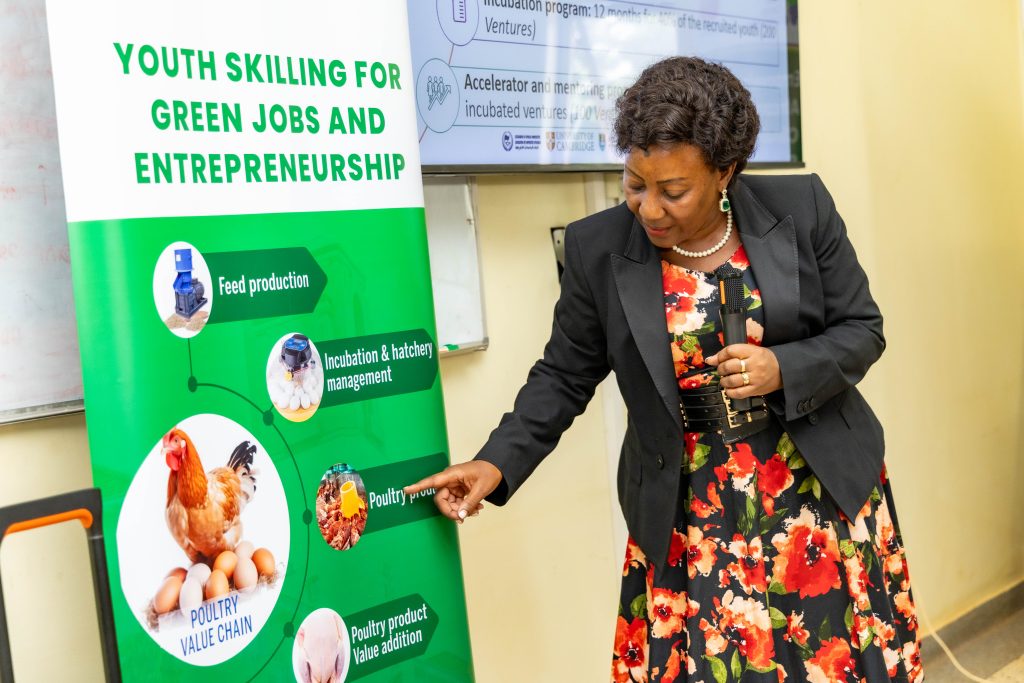
Prof Gorettie Nabanoga addressing cohort 1 of the Youth Skilling Trainees at Makerere University – September 2026
She challenged the youth to see themselves as future trainers who would pass on the knowledge and skills they acquire to other young people once they return to their communities.
“The reason you’re here is for us to skill you so that you can go back and skill others. We call you trainers of trainers,” Prof. Nabanoga said.
She encouraged the participants to approach the training with a learning mindset and focus on the skills they could take back home and use to create opportunities for others.
“As you interact, don’t ask what we are going to teach you. But just ask, what are you going to learn for you to be able to go and impact others? What skill are you picking and taking away for you to be able to impact others?” she said.
The Youth Skilling Program is part of Africa Climate Collaborative’s wider eight-year plan to equip 500 young people with practical skills and opportunities that can contribute to employment, entrepreneurship and community development.
Prof. Nabanoga said the 50 participants in the first cohort represent only a fraction of the program’s wider target and challenged them to set the pace for the cohorts that will follow.
The programme also seeks to create a multiplier effect, with each trained youth expected to share their knowledge and skills with others.
She said the ultimate goal is to see the skills translate into businesses, jobs and further training opportunities for other young people.
A section of youth to be supported to start own businesses.
Beyond the initial training, Africa Climate Collaborative plans to support young people with promising innovations to develop and scale their ideas.
Out of the 500-youth targeted, 200 will receive support to develop innovations, while 100 will receive further support to establish and scale enterprises in their communities.
For the first cohort, 20 of the best-performing youth with promising innovations will receive support to grow their businesses, while 10 will receive additional support to accelerate and scale their enterprises.
The youths were urged to embrace innovation and strive to develop solutions that can be replicated and scaled.
“I would want to see that the first cohort give me the biggest number of the good innovations that are scalable,” she said.
The Director MUARIK Urged Youth to Turn Skills into Enterprises and Jobs
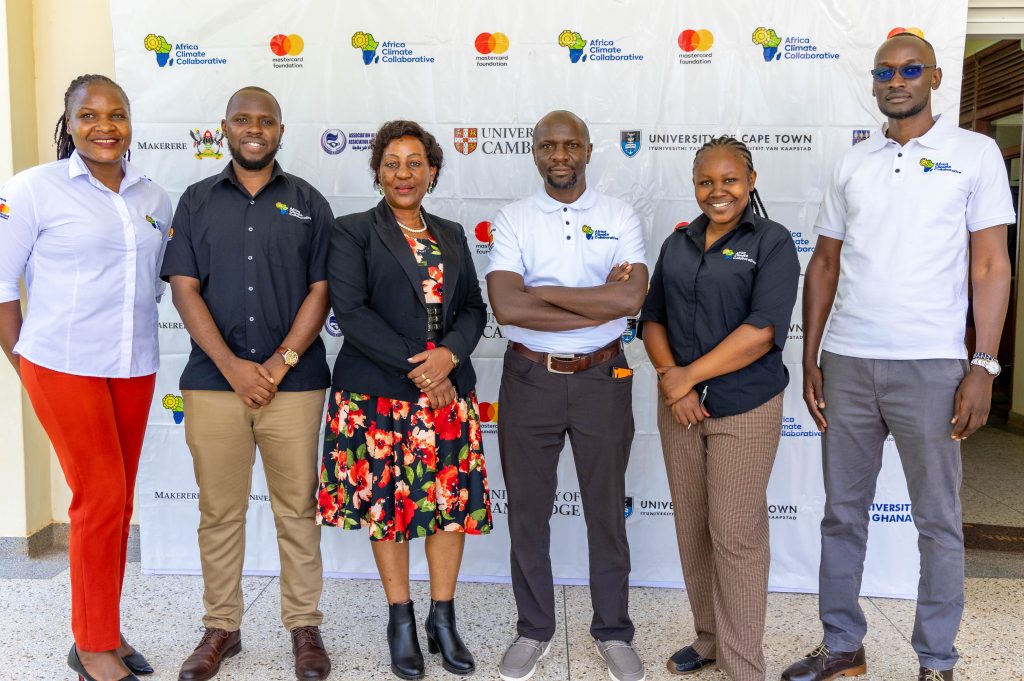
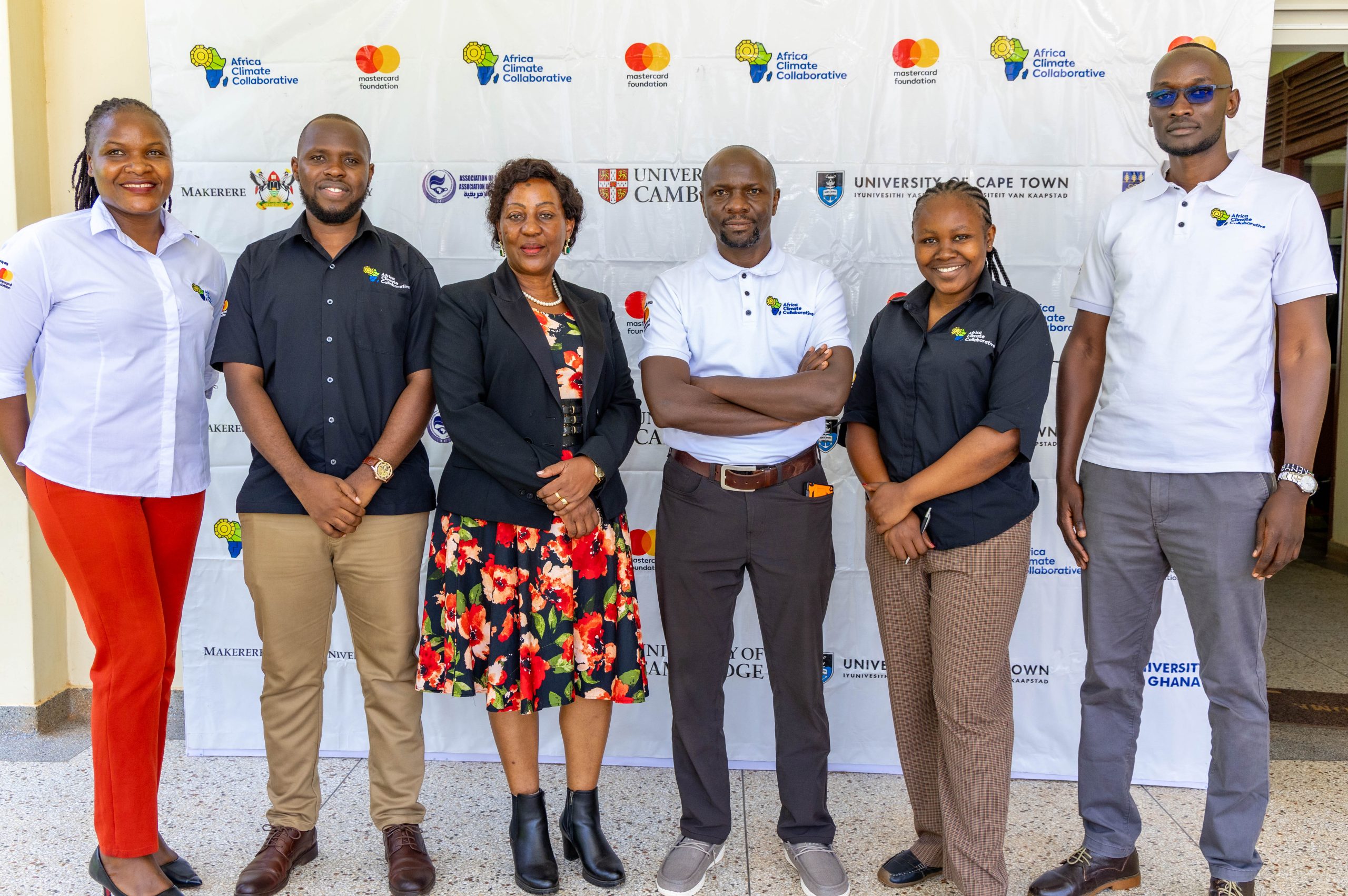
Some of the Program Delivery Team pose for a photo after orientation
The Director of the Makerere University Agricultural Research Institute Kabanyolo (MUARIK), whose remarks were delivered by the Director of the Continuing Agricultural Education Centre (CAEC), Dr Christopher Mawa, said the program would equip young people with practical skills in green entrepreneurship, beginning with the poultry value chain, and described MUARIK as more than a farm but a centre for practical learning, research, innovation and enterprise development.
He encouraged the participants to take advantage of the wider learning opportunities available at the institute, including crop production, livestock enterprises, pasture and feed production, farm mechanisation, value addition, agribusiness and environmental management. “As you begin your training, I encourage you to regard the whole of MUARIK as your classroom,” he said.
Dr Mawa urged the youth to focus on applying the skills they acquire to create enterprises, employment opportunities and solutions within their communities.
“Do not therefore come here simply to complete a three-month course. Come with the mindset of acquiring skills that you can apply. Ask questions. Observe carefully. Participate actively. Learn from the trainers and from one another. Most importantly, begin to ask yourself: “How can I turn what I am learning here into an enterprise, employment opportunity or solution for my community?”.

0 Comments