


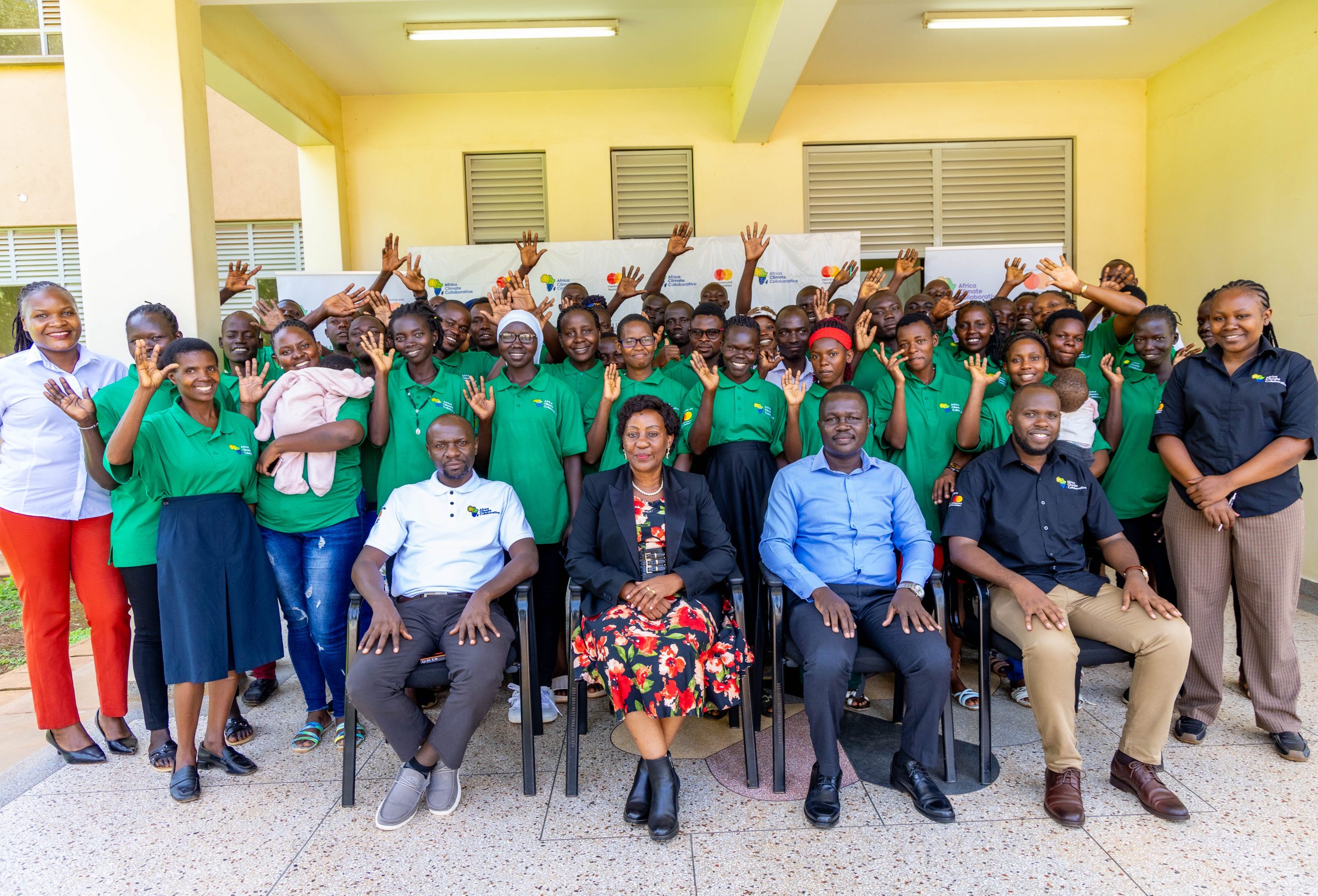
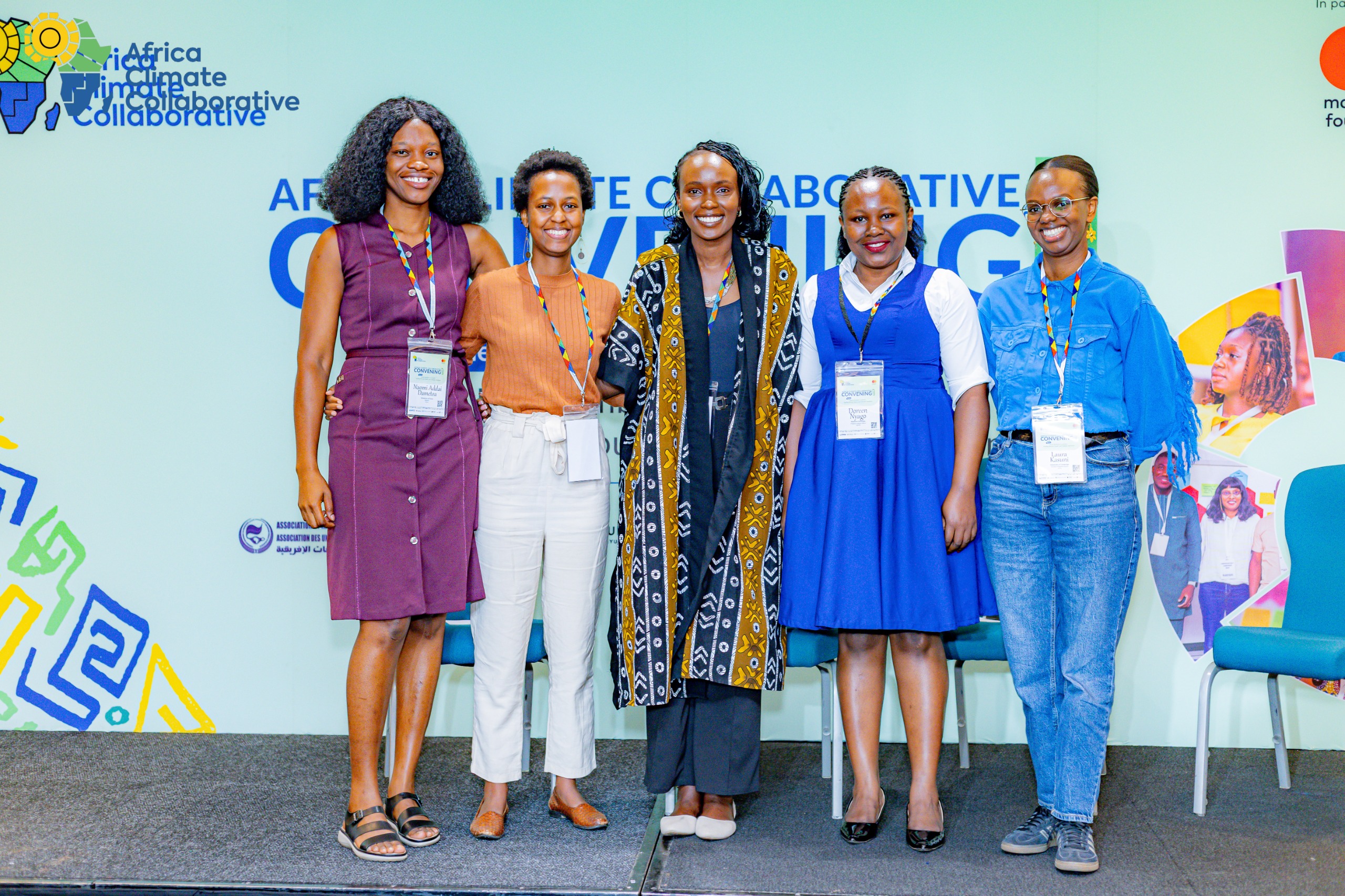
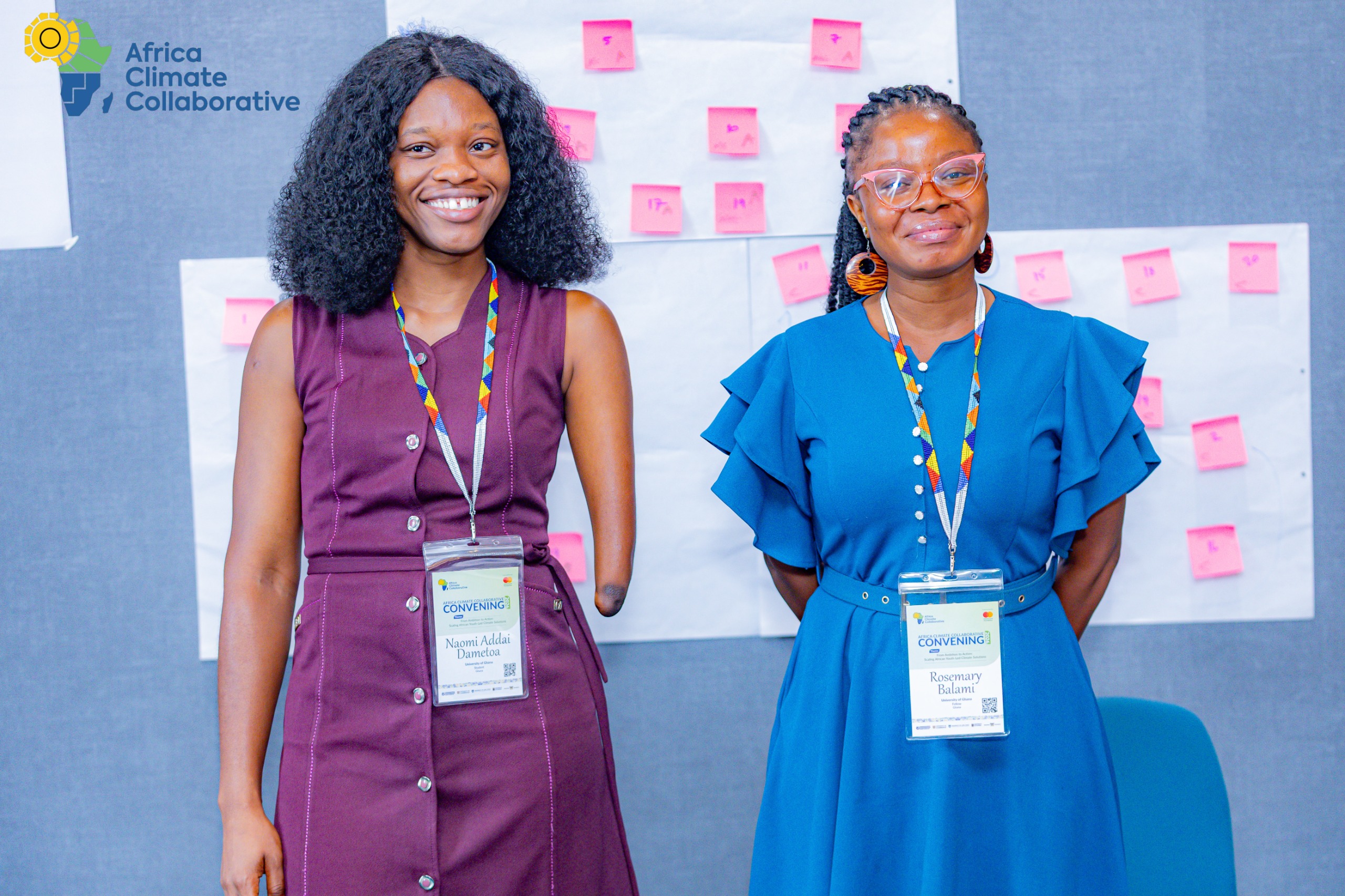
The Africa Climate Collaborative Convening, held in Nairobi, Kenya, provided a dynamic platform for youth leaders, innovators, and program staff to reflect on pressing climate challenges, share experiences, and co-create actionable solutions. The dedicated youth session highlighted the central role of young Africans in driving climate action and sustainable development, ensuring that their perspectives are integrated across all stages of program planning and implementation.
Empowering Youth Voices
The convening emphasized that African youth are not merely stakeholders but active leaders in climate adaptation, community-based solutions, and advocacy. Participants reflected on how the sessions allowed them to contribute meaningfully to discussions, ensuring their voices were heard in shaping the convening’s outcomes. The youth highlighted that they valued the opportunity to engage in a platform designed for collaborative decision-making, showcasing the energy, creativity, and innovation they bring to climate action initiatives across the continent.
While the engagement was largely positive, participants noted that gaps remain in session design, scale of participation, and clarity of expectations. Addressing these areas will be critical for future convenings to maximize youth impact and participation.
Youth-Led Solutions and Innovations
The youth sessions surfaced a wide range of innovative solutions and initiatives led by young Africans. Key initiatives included climate-smart agriculture, agroforestry programs, digital platforms connecting farmers with markets, and maritime cooperatives promoting sustainable livelihoods. Participants also highlighted leadership and capacity-building programs that enhance the skills of young innovators and entrepreneurs.
These initiatives reflect the diversity of approaches African youth are taking to tackle climate, environmental, and economic challenges, demonstrating both ingenuity and practical application in their local communities.
From Ambition to Action
The session emphasized actionable steps for scaling youth-led impact. Recommendations included increasing youth participation in decision-making, improving session design and clarity, expanding engagement to reach more young innovators, and strengthening mentorship and networking opportunities. Participants also stressed the need to translate ready-to-implement solutions into scalable projects, leveraging partnerships, funding, and technological support. Key challenges identified included limited access to resources, skill gaps, policy barriers, and technology constraints.
Youth Leadership Analysis
The youth session highlighted the leadership potential within Africa’s student and young professional population. Youth delegates actively contributed to discussions, critically assessed convening design, and proposed practical opportunities for the next program cycle. Key challenges such as limited representation and unclear expectations were identified, with recommendations emphasizing the importance of structured inclusion and continuous engagement beyond individual convenings.
Partnerships and Scaling Opportunities
Participants explored opportunities for collaboration to strengthen youth-led climate initiatives. Potential partnerships with media, governments, academic institutions, and private sector actors were identified as critical for scaling impact. Engagement with continental bodies such as the African Union and UNFCCC was also highlighted as a means to provide policy support and broader visibility. Universities and AAU were recognized as key players in offering mentorship, capacity building, and support for research-to-practice linkages.
Actionable Recommendations
Several actionable recommendations emerged from the session:
For Policymakers: Include youth in climate and environmental decision-making and invest in infrastructure to support climate resilience initiatives.
For the Foundation: Expand funding, mentorship, and leadership programs for young innovators and student leaders.
For Youth Innovators: Engage proactively in co-creation processes and adopt collaborative, technology-driven solutions to maximize community impact.
For Academic Institutions: Support practical, skills-based learning, and co-design curricula with practitioners to enhance the effectiveness and applicability of student initiatives.
Reflection and Next Steps
The youth session concluded with a clear message: youth voices must remain central to all program processes. Participants identified key priorities, including developing a framework for youth advisory governance, enhancing mentorship and networking opportunities, and scaling youth-led climate solutions through strategic policy, funding, and collaboration mechanisms.
The convening demonstrated that African youth are equipped to lead transformative change when provided with the right platforms, guidance, and resources. The Africa Climate Collaborative’s commitment to youth inclusion and action-oriented engagement ensures that these leaders will continue to drive climate resilience and sustainable development across the continent.

0 Comments